
Blog
Ballistic Helmet Guide: How to Choose the Right Helmet
Ballistic helmets
•
Feb 6, 2026
Ballistic helmets are life-saving gear designed to protect the wearer’s head from rounds, flying shrapnel, and other impact threats. Choosing the right ballistic helmet can be daunting because there are many technical specs and mission-specific features to consider. This guide breaks down the basics – from understanding what NIJ Level IIIA vs Level III means, to the pros and cons of high-cut vs full-cut shells, and which helmet features best suit different tactical missions. By the end, you’ll know how to pick a helmet that matches your threat environment and operational needs, whether you’re a police officer, military operator, paramedic, or security professional.
In this guide:
- Ballistic Protection Levels: Overview of NIJ and V50 ratings and what they mean.
- Helmet Cut Styles: Differences between high-cut, mid-cut, and full-cut helmets and why it matters.
- Shell Construction & Integrity: An explanation of “no-thru-hole” helmet technology and the differences between aramid and ultra-high-molecular-weight polyethylene (UHMWPE).
- Mission-Specific Helmet Fit: Key factors when choosing a helmet for specialized users.
Ballistic Protection Levels: NIJ IIIA (HG2), III (RF1), and V50
One of the first things to understand is the NIJ rating of a ballistic helmet. The National Institute of Justice sets standards that classify ballistic protection levels which helmet manufacturers test against. For helmets, the most applicable ratings are Level IIIA and Level III. However, new terminology is being introduced that reclassifies these threat levels as handgun (HG) and rifle (RF). In simple terms:
- NIJ Level IIIA (HG2): Tested to stop high-velocity handgun rounds, up to .44 Magnum SJHP and .357 SIG pistol rounds (~1,430 ft/s). This is the highest rating commonly found in modern combat and law enforcement helmets, providing robust protection against most handgun threats and shrapnel. Nearly all standard police and military helmets (like the U.S. ACH or Team Wendy’s EPIC® ballistic helmets) are rated IIIA. In practice, a IIIA helmet can defeat the vast majority of pistol rounds an officer or soldier is likely to encounter.
- NIJ Level III (RF1): Rated to stop rifle ammunition , such as 7.62×51mm NATO (.308 Winchester) and 5.56×45mm NATO rounds. A Level III helmet is sometimes called “rifle-rated.” Stopping rifle threats requires a much stronger (and usually heavier) shell than stopping handguns, so Level III helmets are relatively new and less common. Team Wendy’s newly launched RIFLETECH™ helmet, for example, meets NIJ Level III and can stop rounds like 7.62x39 AK-47 rounds and 7.62x51 NATO from a rifle at muzzle velocity. This kind of protection was formerly only achievable with body armor plates – having it in a helmet is a recent innovation.

Most ballistic helmets today are Level IIIA, not Level III, because of the weight and cost trade-offs. A typical Level IIIA helmet weighs around 3 to 3.5 lbs (1.3–1.6 kg), which is manageable for extended wear. In contrast, early rifle-rated helmets could weigh 4 lbs (1.8+ kg) or more, which can cause neck strain. Manufacturers have been pushing boundaries to reduce this burden – for instance, Team Wendy’s RIFLETECH achieves Level III rifle protection at just ~3.0 lbs, making it one of the lightest Level III helmets available. Still, any increase in protection usually means added bulk, so it’s important to choose a level appropriate to the threats you face.
Which level do you need? If you’re law enforcement or security in an environment where handguns and shotgun threats are predominant, a quality Level IIIA helmet is usually the sweet spot – it stops the highest-risk threats (handguns are far more commonly faced than rifles in most urban settings) and offers ample fragment protection, all while staying wearable. Level IIIA is the standard for departments across the U.S. and military units for general combat helmets. On the other hand, if you are expecting rifle fire (e.g. special operations in high-intensity combat, or counter-terror units facing rifle-armed adversaries), a rifle-rated helmet provides an extra margin of safety. Data from military research underscores how critical stopping power is: in an analysis of battle casualties, helmets that completely stopped a round had a 0% fatality rate, whereas penetrations were 75% fatal. In short, preventing penetration is paramount for survival. A Level III helmet can literally mean the difference between a round bouncing off versus punching through. Just keep in mind the trade-off – rifle-rated helmets are heavier and more expensive, so they tend to be used by specialist teams who truly need that protection.
For most users, Level IIIA is sufficient and preferred because it covers the threats one is most likely to face day-to-day (handguns, debris) and keeps the helmet light. Level III helmets are niche – consider one only if you have credible intel that rifle fire is a primary threat in your role. Remember, even a Level IIIA helmet can significantly improve survival against rifles by mitigating rounds (many rifle hits that aren’t fully stopped still result in the wearer surviving with treatable injuries). In all cases, ensure any helmet you choose has been laboratory tested to the NIJ standard or an equivalent ballistic standard. Look for test data like V50 (fragmentation velocity) values provided by reputable manufacturers to compare performance beyond just the label.

Why V50 Matters in Ballistic Helmet Selection
In addition to NIJ ratings, another critical performance metric to consider when evaluating ballistic helmets is the V50 value. V50 represents the velocity at which a projectile has a 50% chance of penetrating the helmet shell, signifying the breaking point of armor. This measurement is especially important for understanding a helmet’s resistance to fragmentation threats—such as shrapnel from explosives or secondary projectiles in combat environments.
A higher V50 indicates better performance against these high-speed fragments. For example, many NIJ Level IIIA helmets, including Team Wendy’s EPIC™ line, report V50 values exceeding 2,400 feet per second (731 m/s) when tested with 17-grain fragment-simulating projectiles. These values are typically measured using standardized protocols like STANAG 2920 (NATO) or MIL-STD-662F (U.S.).
For users operating in high-threat environments, rifle-rated helmets like the Team Wendy RIFLETECH™ offer even greater protection. The RIFLETECH is tested to a V50 of over 4,430 feet per second (1,350 m/s) and is validated to stop rifle rounds—including 7.62×39 MSC, 7.62×51 NATO, and 5.56 M193—at muzzle velocity. This level of performance ensures that the helmet maintains its ballistic integrity in real world conditions, making it a top choice for special operations and tactical teams facing rifle threats.
When selecting a helmet, reviewing the V50 rating provides a more complete picture of its protective capabilities. While NIJ ratings focus on specific ballistic threats, V50 helps assess how well a helmet performs against fragmentation and high-velocity impacts and highlights the maximum lifesaving potential of a helmet—an essential consideration for comprehensive head protection.
Impact Protection: Mitigating Traumatic Brain Injury (TBI)
While ballistic resistance is a critical factor in helmet selection, it’s only part of the protection equation. Equally important is a helmet’s ability to mitigate blunt impact forces that can lead to traumatic brain injury (TBI). Even when a helmet successfully stops a round or fragment, the energy from the impact can transfer to the wearer’s head, potentially causing concussions or more severe brain trauma.
Modern ballistic helmets are designed with advanced liner systems that absorb and dissipate impact energy. Technologies like Team Wendy’s Zorbium® foam and EPIC Air® Fit liner systems are engineered to reduce the risk of TBI by managing the forces that reach the skull during blunt impacts. These liners often include multi-density foam pads, strategically placed to cushion the head and maintain comfort during extended wear.
In addition to ballistic threats, helmets must meet rigorous blunt impact standards such as the U.S. Army’s ACH Gen II Blunt Impact requirement (AR/PD 14-01) and AEP 2902 Clause 4.1.1.1 Method H. These standards simulate real-world conditions like falls, vehicle crashes, or blast overpressure, ensuring the helmet can protect against a wide range of non-penetrating threats.
When evaluating a helmet, look for models that not only meet ballistic standards but also exceed blunt impact performance benchmarks. This dual-layer protection is essential for operators in dynamic environments where both ballistic and blunt force threats are present.

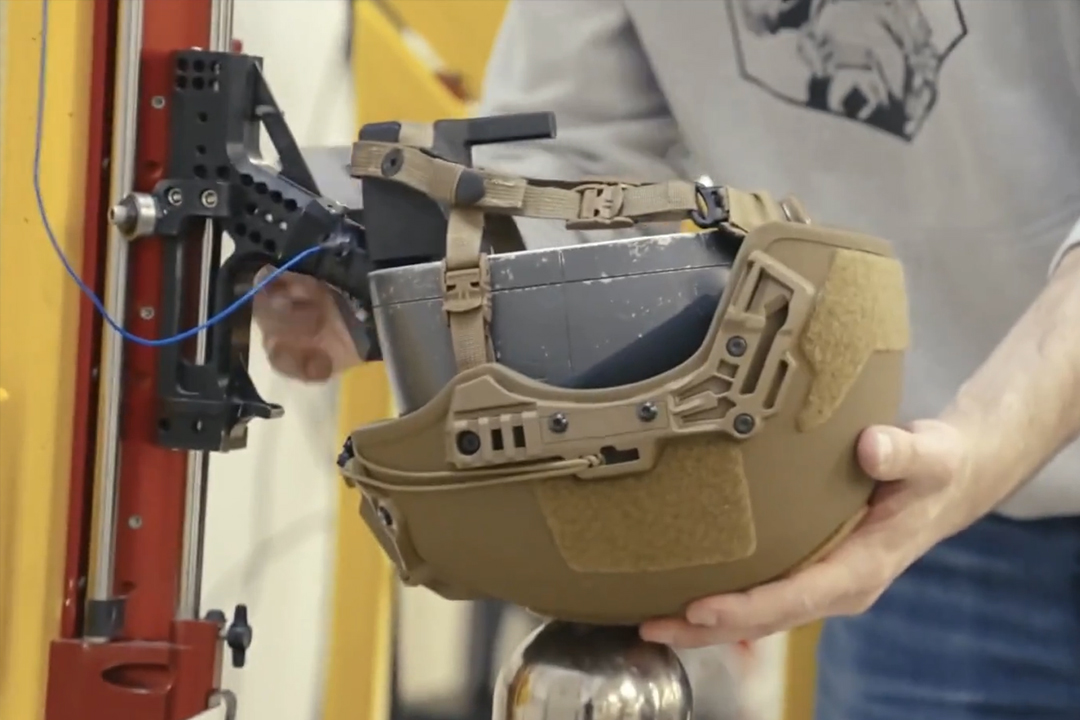
Testing rotational impacts while wearing a ballistic helmet
Helmet Cut Styles: High-Cut, Mid-Cut, and Full-Cut
Aside from the ballistic material, the shape of the helmet shell – referred to as its cut – is a crucial factor in comfort and functionality. The main variants you’ll encounter are full-cut, mid-cut, and high-cut helmets. The difference largely comes down to how much of your head (especially around the ears and sides) the helmet covers:
- Full-Cut Helmets: These have a traditional profile that extends over the ears, offering maximum head coverage. Think of older KEVLAR helmets like the US PASGT or certain riot helmets – the shell goes fully around the side of your head, covering the ear area. Full-cut helmets provide the most protection area (including over the ears), which can be advantageous for blunt impact and explosion pressure shielding. However, covering your ears means you cannot wear large communication headsets or hearing protection muffs under the helmet – there’s simply no room unless you use external helmet-mounted ones. Full cuts are also slightly heavier (more material) and can trap more heat. These helmets are often favored in situations where ear protection or communication is less a priority than all-around coverage, such as by troops who are not using headsets, or police performing riot control where extra side coverage shields against debris. For example, Team Wendy’s EPIC® Responder Plus helmet (full-cut) is aimed toward officers who need robust protection and may attach a face shield for riot situations
- Mid-Cut Helmets: A mid-cut (sometimes just called “standard cut”) helmet trims some of the ear coverage away – usually covering about half to two-thirds of the ear area, or just the upper ears. This was popularized by the U.S. Army’s MICH/ACH helmets, which removed the lower part of the ear flaps of older designs to reduce weight and allow better hearing. Mid-cut helmets balance protection and adaptability. They still cover the head more than a high-cut, but they allow a small headset or ear protection to be worn with less interference. Many modern military helmets (and their law enforcement equivalents) are mid-cut by default. If you might occasionally use comms or need a bit more hearing capability but still want some shell on the sides, mid-cut is a good middle ground (in practice, some small earmuff-style comms can squeeze under a mid-cut.) Police departments that issue a single helmet for all purposes often choose mid-cut as a “one-size-fits-most-tasks” solution.

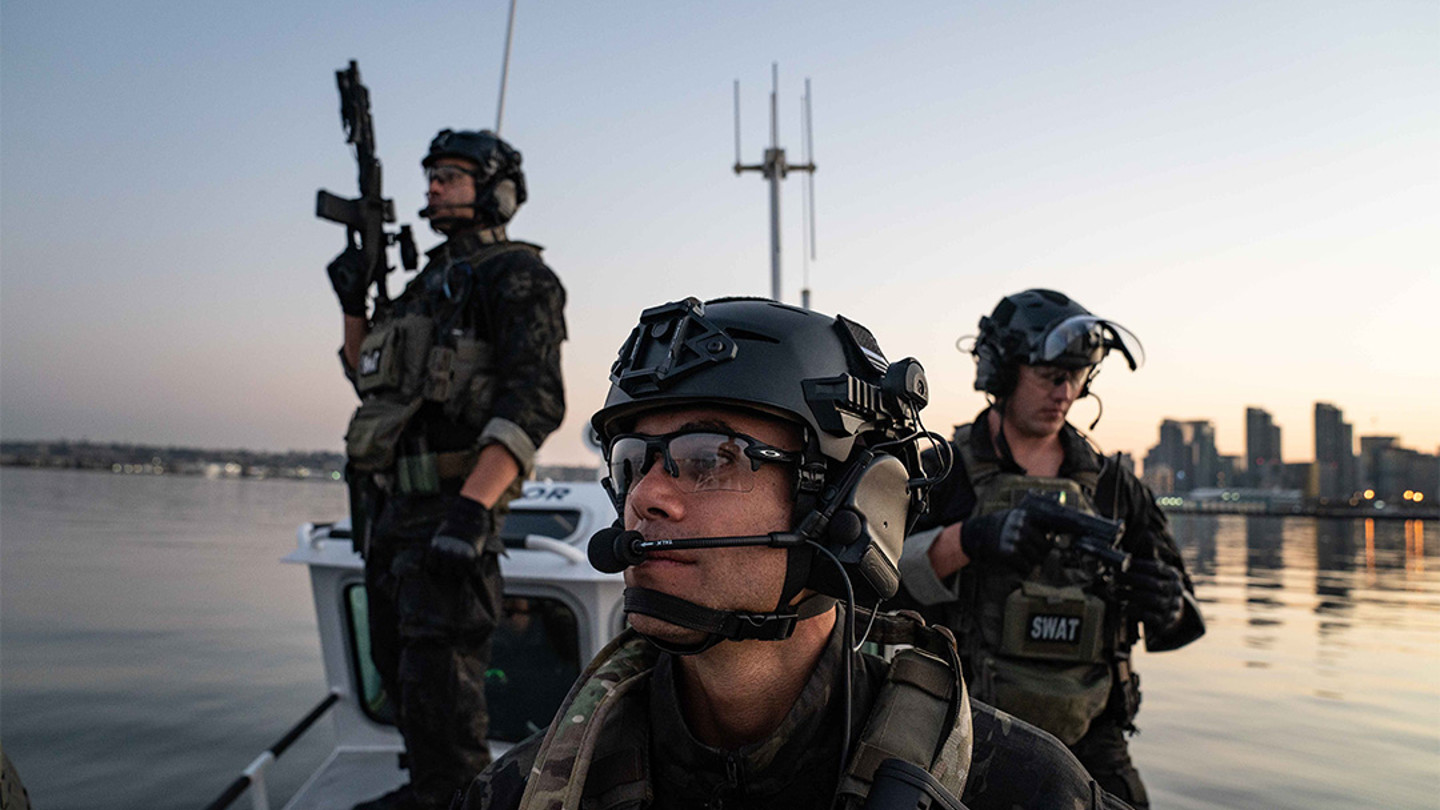
- High-Cut Helmets: High-cut helmets have ear areas cut away entirely, leaving your ears completely uncovered and free. The shell ends above the ear, roughly at the temple level. This design was created for special operations forces who need to integrate bulky communications headsets or over-ear hearing protection and mount tactical accessories. The big advantages are: you can comfortably wear large comms headsets that cup over your ears and the helmet is significantly lighter (since a chunk of material is removed). High-cuts usually come with built-in accessory rails along the sides, since there’s space above the ears to mount lights, cameras, or ear-pro gear. The trade-off is slightly less side protection – the parts of the head around the ears are more exposed to fragmentation or angled shots. For this reason, some militaries balance it by issuing side armor inserts or optional ear covers, or they accept the risk given the operational benefits. High-cuts are popular with SWAT teams, special forces, and anyone needing maximum modularity. For instance, the Team Wendy EXFIL® and EPIC Specialist helmets offer high-cut versions that allow SWAT officers and special forces to attach comms and hearing protection easily.
To visualize: a full-cut helmet covers your ears fully; a mid-cut covers about half your ear (you might still feel the rim around the top of your ear); a high-cut leaves your ears completely outside the helmet.
Here’s a quick comparison of these helmet cut styles and their implications:
Which cut to choose? It depends on your operational needs:
- If you must wear hearing protection or comms headsets, or plan to heavily accessorize your helmet (NVGs, cameras, lights on rails), a high-cut helmet is usually the best choice. This is why most elite units use high-cuts – the situational awareness and communication advantages are crucial. High-cuts are also a bit cooler and lighter, which can matter on long missions.
- If you don’t need big headsets and want a bit more protection, a mid-cut can be a good compromise, giving you some ear coverage. Many police agencies buy mid-cut helmets because officers may or may not use radio headsets, and mid-cuts can accommodate either scenario reasonably well.

Keep in mind, the same helmet model often comes in all three cuts. For example, Team Wendy’s EPIC ballistic helmet line offers full, mid, and high-cut versions – the difference is simply the shape of the shell, but internally they use the same materials and pads. So, the cut is something you choose when ordering your helmet to match your needs. Always consider ear pro and communication requirements when selecting the cut: it’s frustrating to receive a full-cut helmet and then discover it doesn’t work with the radio headset your team uses. Conversely, don’t automatically go high-cut if you have no intention of using those features, especially if your protocols value maximum coverage.
Shell Construction & Technology
Beyond shape and material, how a helmet’s accessories are mounted to the shell can affect both performance and durability. Traditional helmets often require drilling holes through the shell to bolt on things like chin strap retention systems, side rails, and NVG shrouds. Each bolt that goes through the shell creates a potential weak point since that spot no longer has intact ballistic material and could allow a round or fragment to penetrate easier (approximately 1.5 inches (38 mm) around the hole). To address this, Team Wendy Ceradyne developed “no-thru-hole” shell technology, which means no drilled holes go through the ballistic material but still allows for mechanical attachment ensuring a secure mounting.
In a no-thru-hole helmet, the retention and accessory rails attach without penetrating the shell – for example, using molded-in inserts, surface mounts, adhesives, or clamping mechanisms rather than bolts. Many of Team Wendy’s helmets use this approach. For example, The EPIC® line and new RIFLETECH™ rifle-rated ballistic helmet feature boltless fixtures for retention, suspension, rails, and shroud to ensure consistent performance throughout the helmet.
Why does this matter? Because eliminating through-holes preserves the helmet’s full integrity. In ballistic testing, helmets with no-thru-hole designs show improved resistance with no weak spots from bolts. If you imagine a round striking right where a bolt hole would be – in a traditional helmet, that’s a vulnerable spot. In a seamless shell with no thru-holes, that spot is just as strong as the rest of the helmet. It’s an example of how advances in design are increasing helmet performance beyond just materials.


To illustrate the difference:
From an end-user perspective, you might not immediately notice if a helmet has through-holes or not – but it’s worth asking or checking. Boltless designs (no-thru-hole) are generally superior for the reasons above, and many top-tier helmets now feature this construction.
Even so, not all boltless designs are created equal. Some use adhesives to attach the helmet rails and shroud which ends up being much less secure. Team Wendy’s latest ballistic helmets’ (EPIC Protector, EPIC Specialist, EPIC Responder, RIFLETECH) rails, shroud, and retention system are secured using a patented process to mechanically attach these items without going through the ballistic material keeping the full ballistic integrity intact throughout.
UHMWPE vs. Aramid: What’s the Difference in Ballistic Helmet Materials?
When evaluating ballistic helmets, understanding the materials used in their construction is essential. Two of the most common materials in modern helmet design are aramid fibers (such as Kevlar®) and ultra-high-molecular-weight polyethylene (UHMWPE). Each offers distinct advantages in terms of protection, weight, and performance.
Aramid Fibers (e.g., Kevlar®)
Aramid fibers have been a staple in ballistic protection for decades. Known for their high tensile strength and heat resistance, aramids are woven into fabric layers that absorb and disperse the energy from ballistic impacts. Helmets made with aramid are durable and provide excellent protection against handgun rounds and fragmentation.
However, aramid-based helmets tend to be heavier than their UHMWPE counterparts. They may also absorb moisture over time, which can affect long-term performance if not properly maintained. Despite these trade-offs, aramid remains a trusted and widely used material in military and law enforcement helmets.
UHMWPE (Ultra-High-Molecular-Weight Polyethylene)
UHMWPE is a newer material in ballistic helmet construction, offering a high strength-to-weight ratio and excellent energy absorption. Helmets made with UHMWPE are typically lighter than those made with aramid, making them ideal for extended wear and high-mobility operations.
One of the key advantages of UHMWPE is its ability to stop higher-velocity threats with less material, which is why it’s often used in rifle-rated helmets like the Team Wendy RIFLETECH™. This helmet leverages UHMWPE in a seamless shell design to achieve NIJ Level III protection while maintaining a total system weight of just 3.2–3.4 lbs—making it one of the lightest rifle-rated helmets available.

Additionally, UHMWPE is hydrophobic, meaning it resists moisture absorption and maintains consistent performance in wet or humid environments. It also offers excellent resistance to UV degradation and chemicals, contributing to a longer service life.
Matching the Helmet to Your Mission
Finally, after understanding the technical pieces – protection level, cut style, and build quality – you need to put it all together and choose the right helmet for your specific mission or team. Different end-users have different priorities: a helmet that’s perfect for a patrol officer might not be ideal for a SWAT breacher or a soldier in the field, and vice versa. Here are the key factors and some guidance on how to prioritize them for your use case:
- Threat Level vs. Weight: Your first consideration is always the threat you need to defend against. As discussed, if rifle threats are part of your mission profile, you may opt for a more protective Level III helmet which generally increases shell thickness and thus weight; otherwise, stick with Level IIIA for weight savings. Remember, a lighter helmet significantly reduces fatigue and neck strain over long operations. So, pick the lowest weight helmet that still meets your ballistic protection requirements. Modern helmets like the EPIC series use advanced polyethylene materials to be lighter than legacy helmets (e.g., an EPIC helmet is “substantially lighter than the ACH” standard Army helmet). This is a big plus if you’ll wear it for hours.

- Helmet Cut for Gear Integration : Choose a cut that accommodates the gear you’ll actually use. If you’re law enforcement or military who will use over-ear comms headsets (e.g., Peltors) or double hearing protection (earplugs + muffs during gunfire), a high-cut is practically mandatory – it’s the only way those will fit comfortably. High-cut ballistic helmets also help if you need to shoulder a weapon and get a proper cheek weld without the helmet bumping your rifle stock, a common issue with full-cuts. Conversely, if you will not use such gear and maximum coverage is more important (riot police, for example), a full-cut might serve you better. Many users go for the compromise mid-cut when in doubt, which works decently for most attachments. In short, think about your other equipment – headsets, NVGs, eye pro, gas masks – and ensure your helmet cut won’t conflict. For SWAT teams and special operations, this usually pushes toward high-cut helmets, since tactical teams use a lot of head-mounted kit.
- Fit and Retention System: A comfortable, well-fitted helmet is not just about comfort – it’s about safety and performance. A helmet that wobbles or slides can obstruct your vision or distract you at the wrong moment. Look for helmets with an adjustable suspension/retention system (most quality helmets have either a dial-adjust system like Team Wendy’s BOA® dial CAM-FIT™ or a similar tightening mechanism). This allows you to quickly tighten the helmet to your head for a secure fit. Check that the helmet comes in a range of sizes and includes padding adjustments. Many helmets use pad systems that you can reconfigure to fit your head shape. For example, Team Wendy’s Zorbium® foam pads come in various thicknesses and the helmet includes a set – you can arrange them so the helmet sits snugly and comfortably on you. Comfort features like removable sweat-wicking liners, good ventilation (some helmets have passive air vents or breathable pads), and even weight distribution can sound like luxuries, but on a long mission they reduce fatigue and heat stress. A helmet that’s lighter by 100 grams or that breathes better can keep an operator effective for an extra hour or two, which is mission-critical in the field. Always try on and adjust a helmet with your entire kit on – including eye protection and comms – to ensure nothing rubs painfully and you can achieve a stable fit.
- Special Features: Consider if you need any other special features. For example, some high-end helmets now come with ballistic mandibles or visors – if you anticipate needing face protection (e.g., breaching with explosive charges or in riot scenarios), ensure your helmet model supports those add-ons. Another feature: removable covers or camouflage – many helmets have optional fabric covers to change camo patterns or protect the shell. Not a must, but nice to have if you operate in varied environments. Counterweights for NVGs (to balance heavy goggles) – check if the helmet has provisions (often Velcro on the back) to attach a counterweight pouch if you’ll run night vision a lot.

Every team should weigh these decisions against their specific mission profile, threat intelligence, and how the helmet will actually be used during operations. For example, many metropolitan SWAT teams assess that the overwhelming majority of their missions involve handgun threats, forced entry, and coordination-heavy movement rather than sustained rifle engagements. In those cases, teams often prioritize a high-cut handgun-threat helmet because it allows seamless integration of communications headsets, hearing protection, and night vision, all of which are critical for command and control during dynamic entries. This is why high-cut IIIA helmets are commonly issued for urban tactical teams.
By contrast, units that operate with a higher likelihood of deliberate rifle engagement—such as federal hostage rescue or select special operations elements—may field a limited number of rifle-rated helmets for specific roles. These helmets are typically allocated to operators whose positions expose them to higher rifle risk, such as snipers, shield operators, or breachers operating in fixed or overwatch positions, where added weight is acceptable in exchange for increased ballistic protection.
Patrol officers serving high-risk warrants often have different priorities altogether. These operations may emphasize blunt impact protection, stability during movement, and compatibility with face shields or less-lethal equipment rather than communications headsets. In those scenarios, a mid-cut or full-cut helmet with enhanced impact protection can be the right choice, as it offers additional coverage and integration with protective accessories without unnecessary complexity.
In a military context, conventional infantry forces are well served by program-of-record systems like IHPS, which are designed for standardized issue, scalability, and broad compatibility across large formations. By contrast, special operations forces often prioritize modular, lightweight helmet systems such as EXFIL® or SL-style platforms, where reduced weight, mobility, and seamless integration with communications, night vision, and mission-specific accessories are critical to small-unit, task-organized operations.

One insightful quote from a law enforcement officer in our research was: “If it’s a SWAT call, I can’t do my job without [my helmet].”. The helmet is considered essential equipment for tactical teams – as important as the primary weapon – because it preserves the operator’s ability to function under fire. Hence, reliability and trust in the helmet is key. You want a proven model that has been tested and, preferably, fielded by others in your line of work. Many agencies look at what elite units use (for example, seeing many military special forces adopt a certain helmet often gives confidence that it performs well). Word of mouth is strong in these communities – it’s wise to choose a manufacturer with a solid reputation for ballistic performance and quality control.
Bringing It All Together
Choosing the right ballistic helmet is more than just checking a box for protection—it’s about aligning performance, comfort, and mission-specific functionality to ensure maximum safety in the field. From understanding NIJ ratings and helmet cut styles to evaluating impact protection and fragmentation resistance through V50 values, each factor plays a critical role in overall head protection. Whether you're outfitting a tactical team, selecting gear for patrol officers, or preparing for high-threat operations, a well-informed decision can make all the difference. With innovations like no-through-hole shell technology and rifle-rated options like the Team Wendy RIFLETECH™, today’s helmets offer more protection and versatility than ever before. By prioritizing both ballistic and blunt impact performance, you’re not just buying a helmet—you’re investing in survivability, performance, and peace of mind.

Related
-
Ballistic helmets
•
Mar 16, 2026
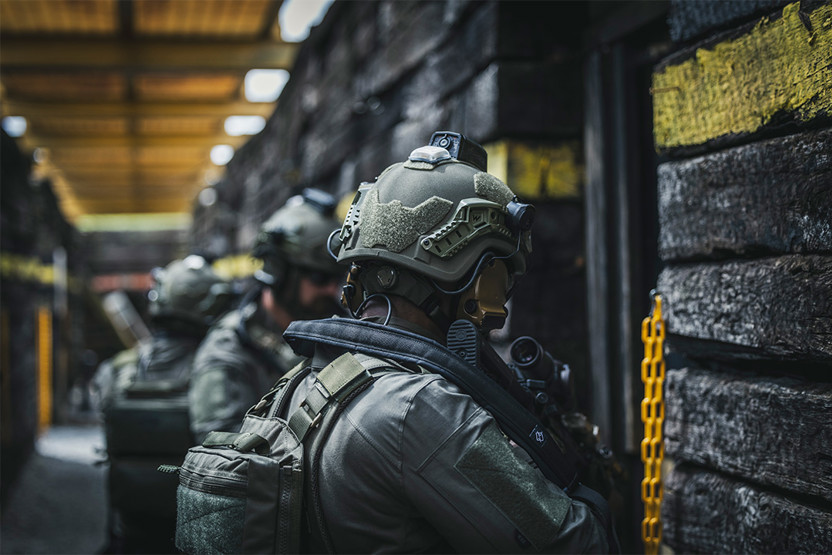
Matching Your Ballistic Helmet to the Mission
-
Ballistic helmets
•
Mar 9, 2026
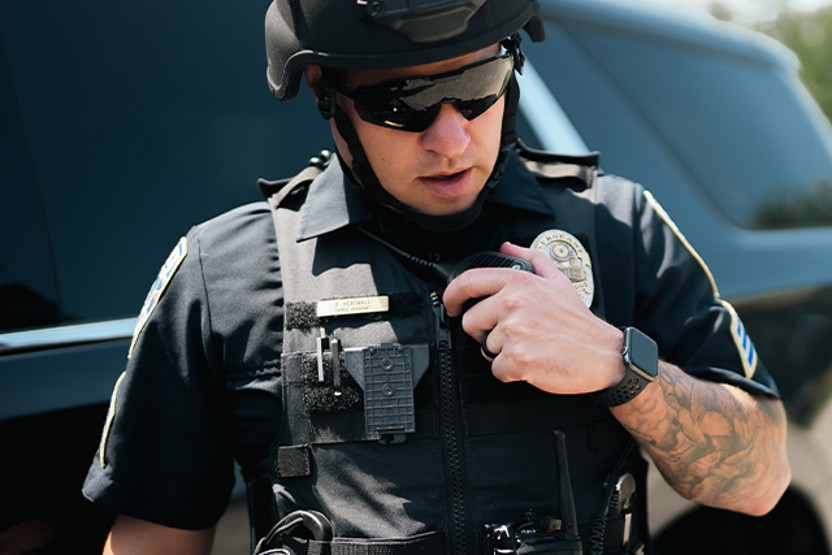
Helmet Cut Styles: High-Cut, Mid-Cut, and Full-Cut
-

Ballistic helmets
•
Mar 5, 2026
Impact Protection: Mitigating Traumatic Brain Injury (TBI)
-
Ballistic helmets
•
Mar 2, 2026
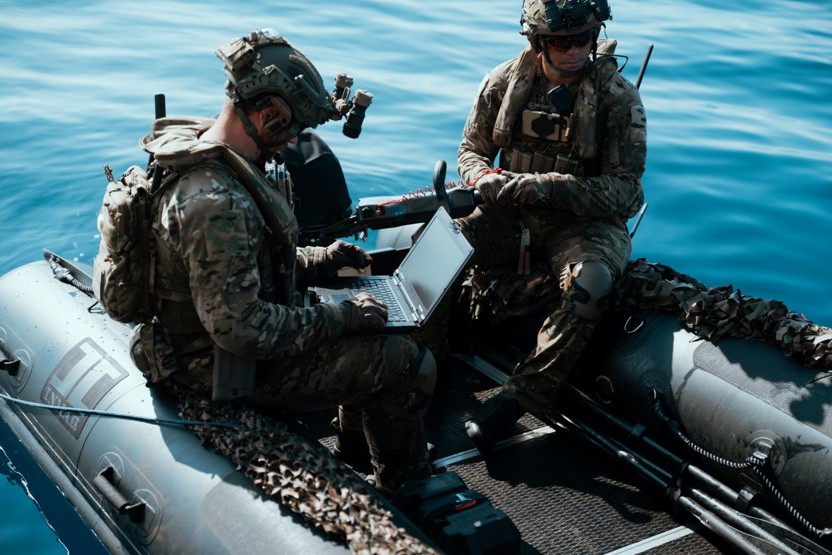
UHMWPE & Aramid: What’s the Difference in Ballistic Helmet Materials?
-
Ballistic helmets
•
Feb 23, 2026
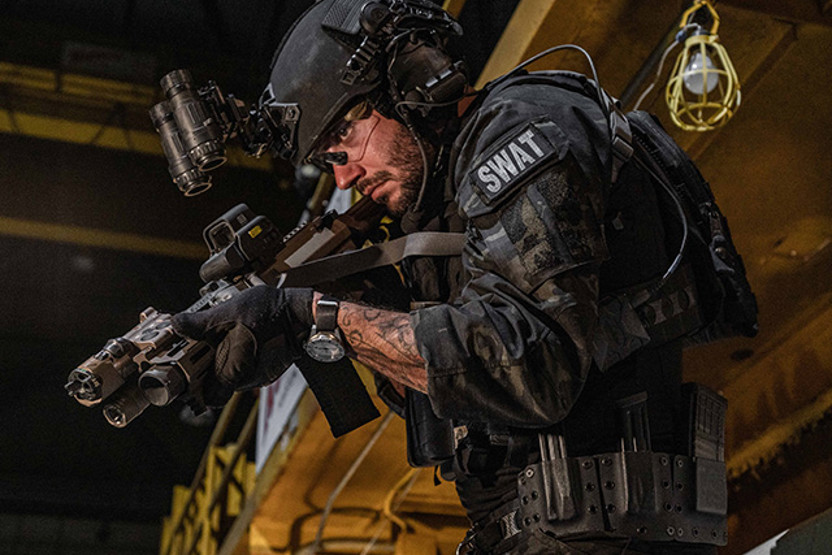
Why V50 Matters in Ballistic Helmet Selection
-
Ballistic helmets
•
Feb 16, 2026
Ballistic Shell Construction & Technology
-
Ballistic helmets
•
Feb 9, 2026
Explaining Ballistic Protection Levels