Ballistic helmet guide
The essentials for choosing your next helmet.


Ballistic helmets
•
Feb 9, 2026
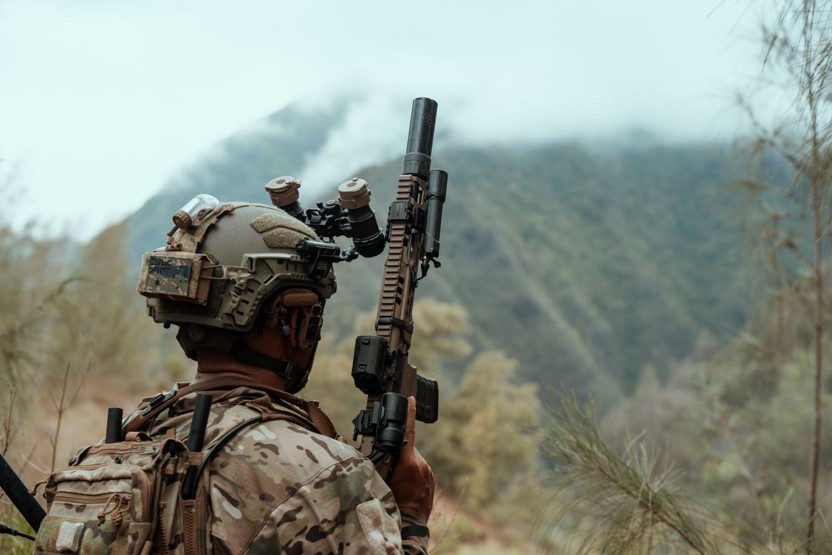
One of the first things to understand is the NIJ rating of a ballistic helmet. The National Institute of Justice sets standards that classify ballistic protection levels which helmet manufacturers test against. For helmets, the most applicable ratings are Level IIIA and Level III. However, new terminology is being introduced that reclassifies these threat levels as handgun (HG) and rifle (RF). In simple terms:

Most ballistic helmets today are Level IIIA, not Level III, because of the weight and cost trade-offs. A typical Level IIIA helmet weighs around 3 to 3.5 lbs (1.3–1.6 kg), which is manageable for extended wear. In contrast, early rifle-rated helmets could weigh 4 lbs (1.8+ kg) or more, which can cause neck strain. Manufacturers have been pushing boundaries to reduce this burden – for instance, Team Wendy’s RIFLETECH achieves Level III rifle protection at just ~3.0 lbs, making it one of the lightest Level III helmets available. Still, any increase in protection usually means added bulk, so it’s important to choose a level appropriate to the threats you face.
Which level do you need? If you’re law enforcement or security in an environment where handguns and shotgun threats are predominant, a quality Level IIIA helmet is usually the sweet spot – it stops the highest-risk threats (handguns are far more commonly faced than rifles in most urban settings) and offers ample fragment protection, all while staying wearable. Level IIIA is the standard for departments across the U.S. and military units for general combat helmets. On the other hand, if you are expecting rifle fire (e.g. special operations in high-intensity combat, or counter-terror units facing rifle-armed adversaries), a rifle-rated helmet provides an extra margin of safety. Data from military research underscores how critical stopping power is: in an analysis of battle casualties, helmets that completely stopped a round had a 0% fatality rate, whereas penetrations were 75% fatal. In short, preventing penetration is paramount for survival. A Level III helmet can literally mean the difference between a round bouncing off versus punching through. Just keep in mind the trade-off – rifle-rated helmets are heavier and more expensive, so they tend to be used by specialist teams who truly need that protection.
Ballistic helmets
•
Mar 16, 2026
Ballistic helmets
•
Mar 9, 2026

Ballistic helmets
•
Mar 5, 2026
Ballistic helmets
•
Mar 2, 2026
Ballistic helmets
•
Feb 23, 2026
Ballistic helmets
•
Feb 16, 2026
Ballistic helmets
•
Feb 6, 2026