Blog

Helmet Cut Styles: High-Cut, Mid-Cut, and Full-Cut

Ballistic helmets

Mar 9, 2026

Helmet Cut Styles: High-Cut, Mid-Cut, and Full-Cut

Aside from the ballistic material, the shape of the helmet shell – referred to as its cut – is a crucial factor in comfort and functionality. The main variants you’ll encounter are full-cut, mid-cut, and high-cut helmets. The difference largely comes down to how much of your head (especially around the ears and sides) the helmet covers:

  • Full-Cut Helmets: These have a traditional profile that extends over the ears, offering maximum head coverage. Think of older KEVLAR helmets like the US PASGT or certain riot helmets – the shell goes fully around the side of your head, covering the ear area. Full-cut helmets provide the most protection area (including over the ears), which can be advantageous for blunt impact and explosion pressure shielding. However, covering your ears means you cannot wear large communication headsets or hearing protection muffs under the helmet – there’s simply no room unless you use external helmet-mounted ones. Full cuts are also slightly heavier (more material) and can trap more heat. These helmets are often favored in situations where ear protection or communication is less a priority than all-around coverage, such as by troops who are not using headsets, or police performing riot control where extra side coverage shields against debris. For example, Team Wendy’s EPIC® Responder Plus helmet (full-cut) is aimed toward officers who need robust protection and may attach a face shield for riot situations
  • Mid-Cut Helmets: A mid-cut (sometimes just called “standard cut”) helmet trims some of the ear coverage away – usually covering about half to two-thirds of the ear area, or just the upper ears. This was popularized by the U.S. Army’s MICH/ACH helmets, which removed the lower part of the ear flaps of older designs to reduce weight and allow better hearing. Mid-cut helmets balance protection and adaptability. They still cover the head more than a high-cut, but they allow a small headset or ear protection to be worn with less interference. Many modern military helmets (and their law enforcement equivalents) are mid-cut by default. If you might occasionally use comms or need a bit more hearing capability but still want some shell on the sides, mid-cut is a good middle ground (in practice, some small earmuff-style comms can squeeze under a mid-cut.) Police departments that issue a single helmet for all purposes often choose mid-cut as a “one-size-fits-most-tasks” solution.
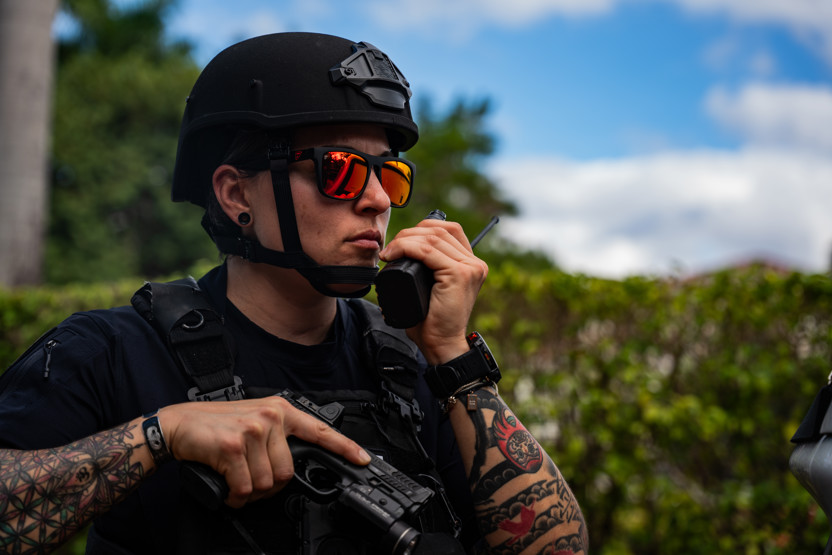
Policeman in helmet and sunglasses
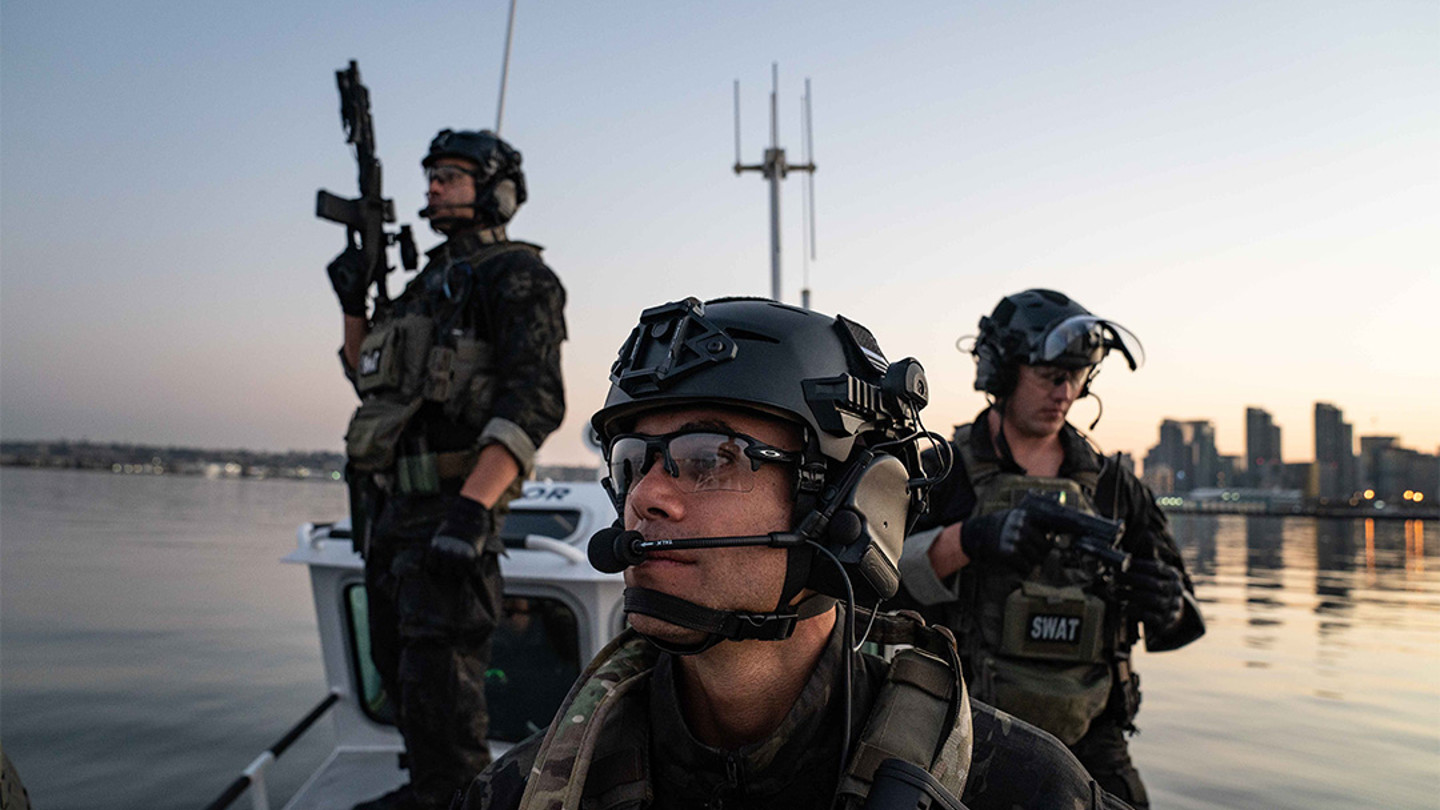
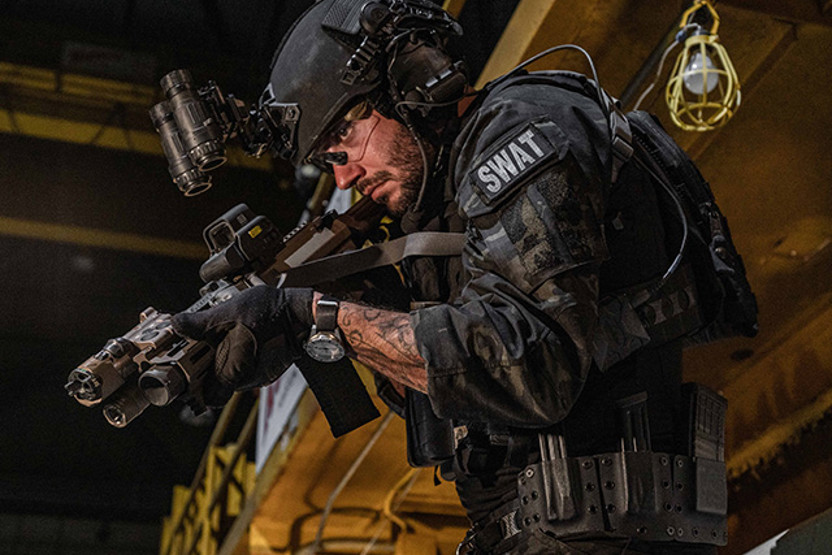
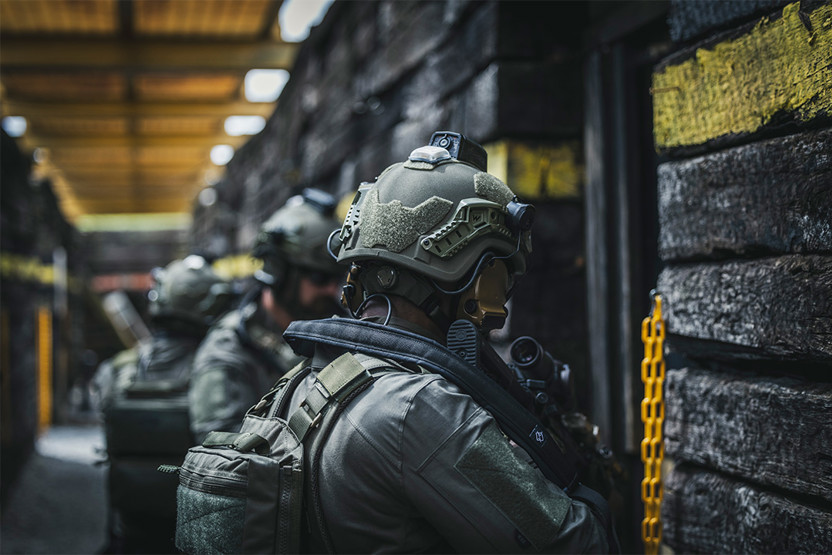
  • High-Cut Helmets: High-cut helmets have ear areas cut away entirely, leaving your ears completely uncovered and free. The shell ends above the ear, roughly at the temple level. This design was created for special operations forces who need to integrate bulky communications headsets or over-ear hearing protection and mount tactical accessories. The big advantages are: you can comfortably wear large comms headsets that cup over your ears and the helmet is significantly lighter (since a chunk of material is removed). High-cuts usually come with built-in accessory rails along the sides, since there’s space above the ears to mount lights, cameras, or ear-pro gear. The trade-off is slightly less side protection – the parts of the head around the ears are more exposed to fragmentation or angled shots. For this reason, some militaries balance it by issuing side armor inserts or optional ear covers, or they accept the risk given the operational benefits. High-cuts are popular with SWAT teams, special forces, and anyone needing maximum modularity. For instance, the Team Wendy EXFIL® and EPIC Specialist helmets offer high-cut versions that allow SWAT officers and special forces to attach comms and hearing protection easily.

To visualize: a full-cut helmet covers your ears fully; a mid-cut covers about half your ear (you might still feel the rim around the top of your ear); a high-cut leaves your ears completely outside the helmet.

Here’s a quick comparison of these helmet cut styles and their implications:

Helmet cut comparison

Helmet Cut


Coverage & Protection


Compatibility & Uses


Typical Users


Full-Cut


Maximum coverage – shell goes over the ears and sides of the head. Protects the ears and side of face from impacts/blast.


Limited compatibility with comms headsets – ear area is covered by helmet (requires external adapters or boom-mics). Often used with riot visors or hearing inserts instead of big earmuffs. Slightly heavier and warmer due to more material.


Conventional military helmets of past (PASGT); Riot control police helmets; some first responders who prioritize complete coverage. Goal: Maximize protection area.


Mid-Cut


Medium coverage – partially covers ears (about halfway down). Ears are partially protected but partly exposed.


Can accommodate low-profile headsets or in-ear comms. Better hearing ability than full-cut. Still mostly encases the head for fragment protection. A balanced design for general use.


General infantry combat helmets (ACH); Many law enforcement tactical helmets. Goal: Balance protection with some accessory fit.


High-Cut


Reduced coverage – no coverage over ears. Sides are cut high above the ear line. Less physical protection area on extreme sides.


Optimized for accessories: easily wear large over-ear comms/headphones. Built-in rail systems for mounting gear. Lighter weight and improved airflow (ears uncovered). Requires separate ear protection if needed (earplugs or headset).


Special forces, SWAT teams, and tactical units needing comms, hearing enhancement, or lightweight gear. Also popular in maritime/vehicles where headsets are a must. Goal: Integration and mobility over coverage.


Which cut to choose? It depends on your operational needs:

  • If you must wear hearing protection or comms headsets, or plan to heavily accessorize your helmet (NVGs, cameras, lights on rails), a high-cut helmet is usually the best choice. This is why most elite units use high-cuts – the situational awareness and communication advantages are crucial. High-cuts are also a bit cooler and lighter, which can matter on long missions.
  • If you don’t need big headsets and want a bit more protection, a mid-cut can be a good compromise, giving you some ear coverage. Many police agencies buy mid-cut helmets because officers may or may not use radio headsets, and mid-cuts can accommodate either scenario reasonably well.
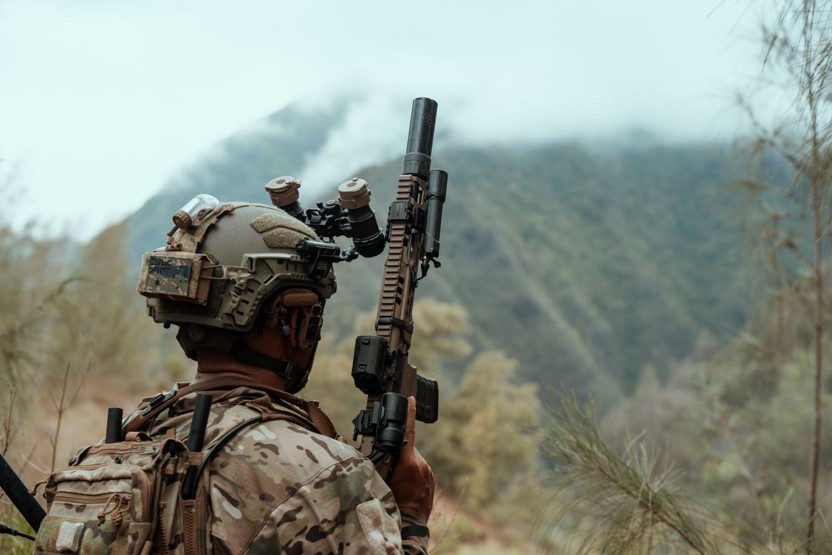
Soldier wearing a Team Wendy RIFLETECH rifle-rated ballistic helmet in a jungle setting

Keep in mind, the same helmet model often comes in all three cuts. For example, Team Wendy’s EPIC ballistic helmet line offers full, mid, and high-cut versions – the difference is simply the shape of the shell, but internally they use the same materials and pads. So, the cut is something you choose when ordering your helmet to match your needs. Always consider ear pro and communication requirements when selecting the cut: it’s frustrating to receive a full-cut helmet and then discover it doesn’t work with the radio headset your team uses. Conversely, don’t automatically go high-cut if you have no intention of using those features, especially if your protocols value maximum coverage.

Ultimately, the right helmet cut is less about which style is “best” and more about which one best supports your mission requirements. Full‑cut helmets prioritize maximum coverage, mid‑cuts strike a balance between protection and adaptability, and high‑cuts are optimized for communication, accessories, and mobility. Understanding these trade‑offs helps ensure your helmet works with—not against—your equipment, training, and operational environment. By choosing a cut that aligns with how you operate, you maximize both protection and performance when it matters most.
Ballistic helmet guide

The essentials for choosing your next helmet.