Ballistic helmet guide
The essentials for choosing your next helmet.

Ballistic helmets
•
Mar 5, 2026
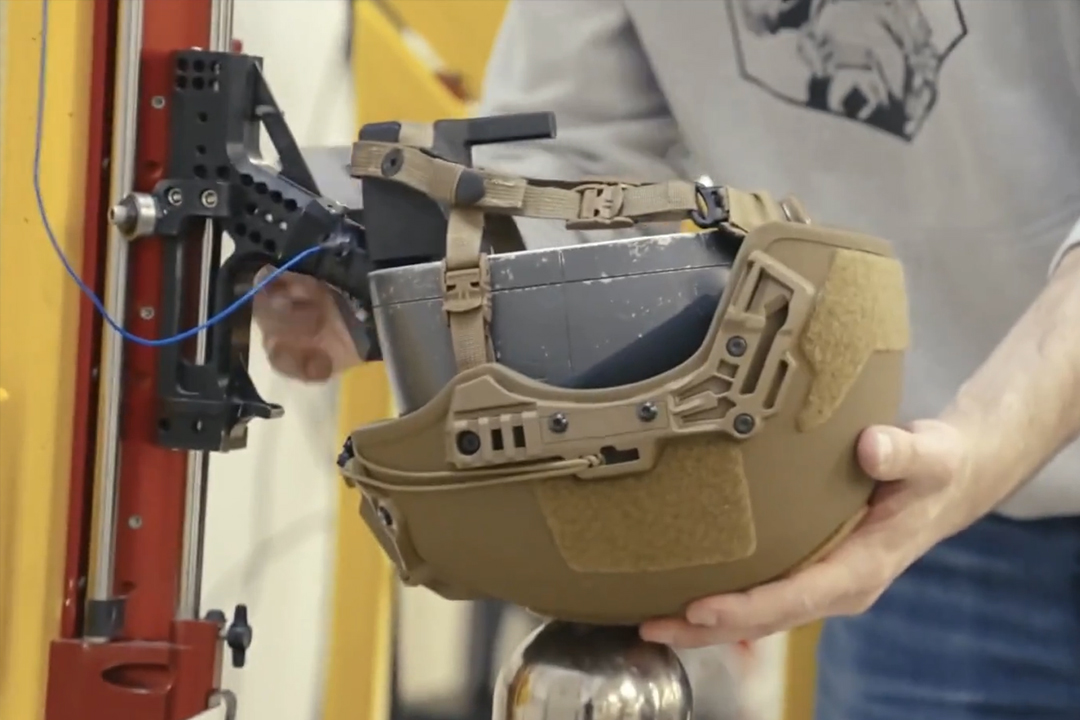
While ballistic resistance is a critical factor in helmet selection, it’s only part of the protection equation. Equally important is a helmet’s ability to mitigate blunt impact forces that can lead to traumatic brain injury (TBI). Even when a helmet successfully stops a round or fragment, the energy from the impact can transfer to the wearer’s head, potentially causing concussions or more severe brain trauma.
Modern ballistic helmets are designed with advanced liner systems that absorb and dissipate impact energy. Technologies like Team Wendy’s Zorbium® foam and EPIC Air® Fit liner systems are engineered to reduce the risk of TBI by managing the forces that reach the skull during blunt impacts. These liners often include multi-density foam pads, strategically placed to cushion the head and maintain comfort during extended wear.
In addition to ballistic threats, helmets must meet rigorous blunt impact standards such as the U.S. Army’s ACH Gen II Blunt Impact requirement (AR/PD 14-01) and AEP 2902 Clause 4.1.1.1 Method H. These standards simulate real-world conditions like falls, vehicle crashes, or blast overpressure, ensuring the helmet can protect against a wide range of non-penetrating threats.
When evaluating a helmet, look for models that not only meet ballistic standards but also exceed blunt impact performance benchmarks. This dual-layer protection is essential for operators in dynamic environments where both ballistic and blunt force threats are present.
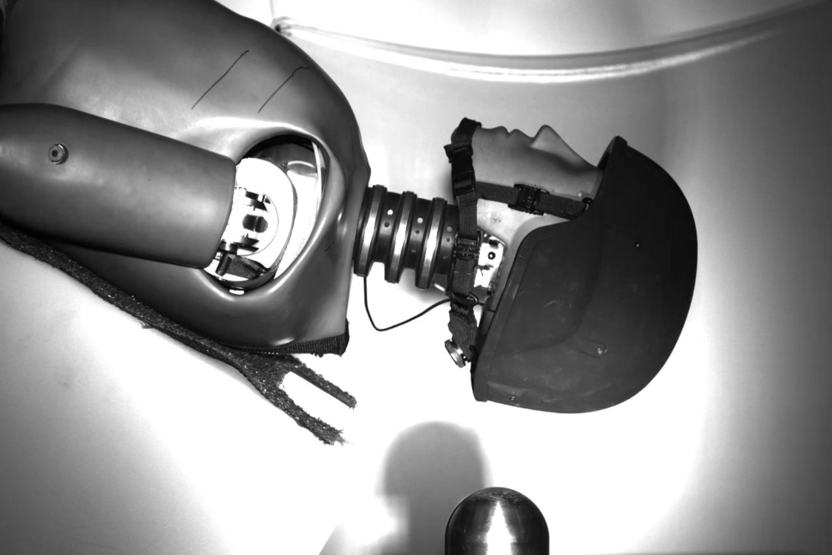
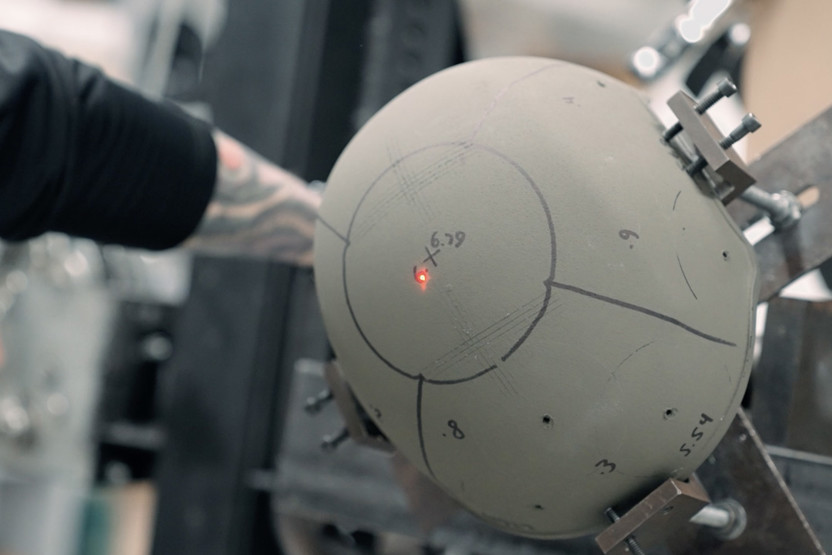
Testing rotational impacts while wearing a ballistic helmet
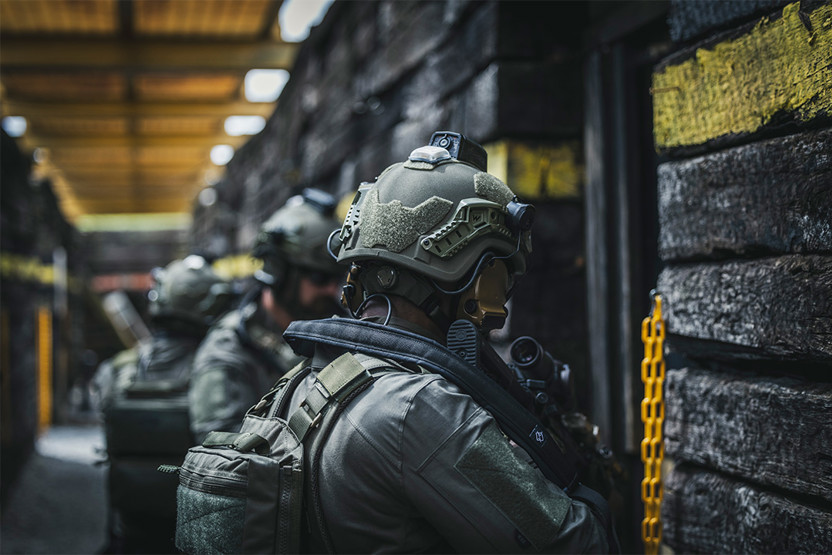
Ballistic helmets
•
Mar 16, 2026
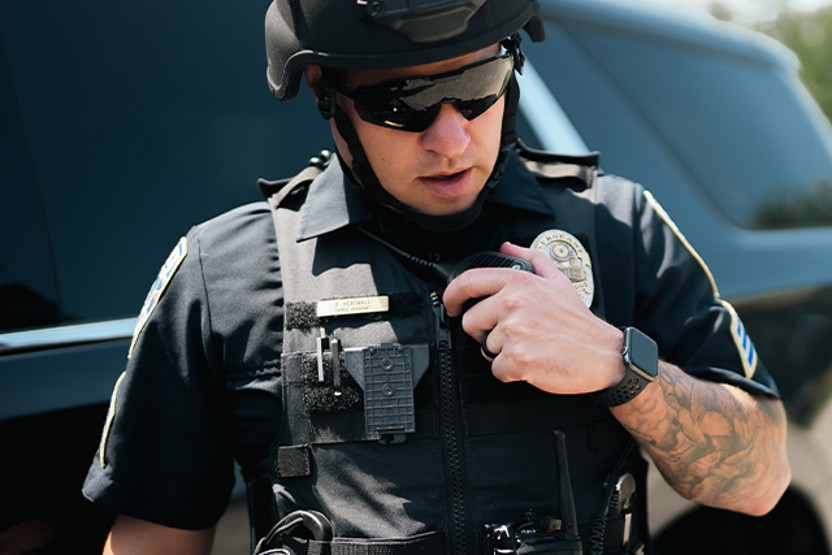
Ballistic helmets
•
Mar 9, 2026
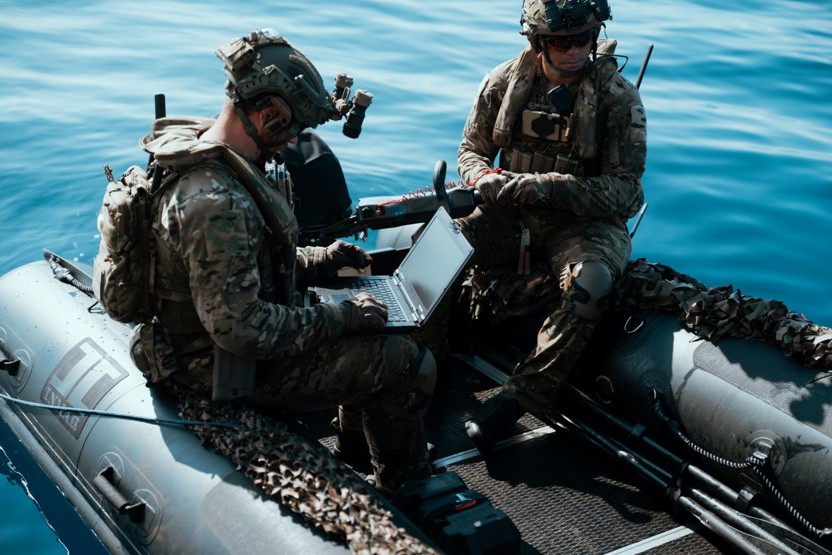
Ballistic helmets
•
Mar 2, 2026
Ballistic helmets
•
Feb 23, 2026
Ballistic helmets
•
Feb 16, 2026
Ballistic helmets
•
Feb 9, 2026
Ballistic helmets
•
Feb 6, 2026