

Blog
Maintaining Maximum Protection: Why Combat Helmet Liners & Retention Systems Must Be Replaced
Products & Technology
•
Mar 3, 2026
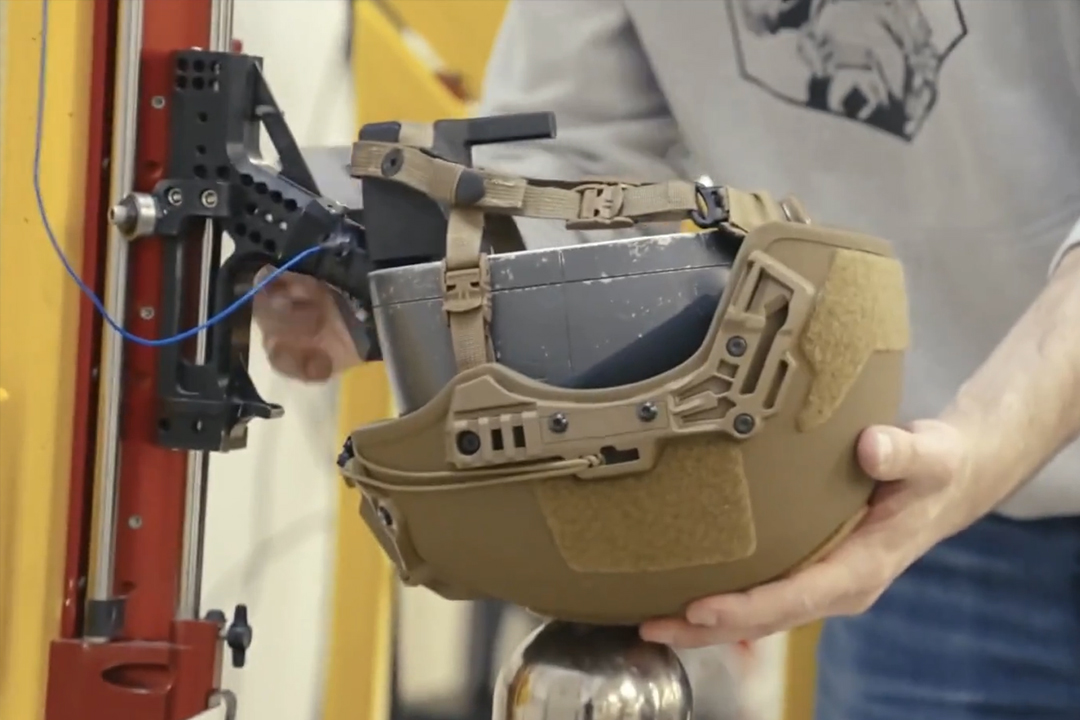
Regularly replacing your combat helmet’s internal padding (liner/suspension system) and retention is crucial to preserving its protective performance. Over time, helmet liners and pads wear out, losing their impact absorption capacity, and retention systems can stretch or fray. When this happens, a helmet may no longer meet safety standards or stay securely in place when you need it most. For military and law enforcement users especially, whose helmets must withstand ballistic threats and blunt impacts, compromised liners or retention systems can significantly reduce impact protection. In fact, combat helmet standards like the U.S. Army’s Advanced Combat Helmet (ACH) test require peak impact forces to stay under 150 g in a drop test. New high-performance pads often keep impacts below 70 g, but only when the pads are kept in good condition. Worn-out pads or loose straps can make even a highly-rated helmet fail these critical tests, exposing soldiers and officers to greater risk.

Why You Must Replace Helmet Liners and Retention Systems
- Wear and degradation reduce protection: The inner suspension pads (foam liners) in a combat helmet are engineered to absorb impact, but they gradually compress and break down with regular use, heat, moisture, and repeated impacts. Over time, sweat and environmental exposure can harden or crack foam padding, diminishing its cushioning ability. Even high-grade materials like Team Wendy’s Zorbium® or other foams are not immune to wear – eventually they lose thickness and resilience, allowing more impact force to reach your skull. Likewise, the retention system can stretch out or fray. A loose or worn strap no longer keeps the helmet snug, meaning it might slip out of position or even come off during a sudden impact or blast. In other words, an old helmet liner and retention system can turn your life-saving helmet into a liability.
- Compromised liners don’t protect as well: The impact-absorbing pads inside your combat helmet are essential to your safety, but their performance diminishes over time. Repeated use, heat, moisture, and environmental exposure eventually compress and weaken the foam, causing it to lose thickness and become brittle. Sweat, sand, salt water, and UV exposure can degrade adhesives and Velcro, and compressed pads may no longer meet safety standards. Even if the pads look intact, microscopic cracks or hardened cells can reduce their ability to absorb energy. This means that liners that would once measure roughly 70 g* in a drop test could spike toward the 150 g limit if the pads have been compressed completely, losing its ability to absorb any more energy. That’s why the U.S. military and manufacturers stress regular inspection, cleaning, and replacement. This illustrates that a modern, uncompromised liner can mean the difference between a mild impact and a traumatic brain injury. If that same pad is worn flat or starting to deteriorate, its performance will degrade and could approach or exceed dangerous G-force levels during an impact.
*G-force measures how quickly an object speeds up (acceleration) during an impact


Team Wendy liners with Zorbium Foam Technology provide superior impact & TBI protection
- The critical role of retention systems: The helmet’s chin strap and retention harness might not be “exciting” gear, but they are absolutely vital. Your helmet can’t protect you if it doesn’t stay on your head at the moment of impact. Modern 4-point retention harnesses are designed to withstand the burden of holding the weight of the helmet, along with mounted accessories, tightly on the wear’s head. But straps can and do weaken: sunlight, sweat, and regular yanking all degrade webbing fibers over time. If you notice frayed, torn, or overly flexible straps, worn-out buckles, or a deformed/compressed chin cup, treat it as a serious safety risk. A compromised retention system can fail during a crash or blast, allowing the helmet to shift or come loose when impact occurs – precisely when you need it firmly in place.
- Adhere to replacement guidelines: To stay safe, inspect your helmet’s liner and straps frequently and replace them at the first sign of damage or deterioration. Even without obvious damage, most experts and manufacturers recommend periodic replacement of these components. (For example, Team Wendy’s user guidance suggests replacing the impact liner and retention system after about one year of use to ensure reliable performance.) Always follow any service life guidelines from the helmet or equipment manufacturer. And if your helmet suffers a serious impact or blast, replace the pads and straps immediately. Even if pads “look fine” – these are one-time protective components that may not fully recover from heavy shock.
When it comes to the life-saving potential of your helmet, the inside is just as important as the outside. Users should routinely inspect retention and suspension systems and replace them as needed to ensure continued compliance with impact performance standards. High-quality solutions like those from Team Wendy are widely trusted in the military and law enforcement community, providing enhanced comfort and protection. By maintaining fresh, top-tier liners and retention systems, you’ll keep your helmet fitting properly and performing as designed – offering maximum protection when it matters most.

Related
-

Traumatic Brain Injury • Products & Technology • Research & Development
•
Mar 18, 2026
Why Blast‑Related Traumatic Brain Injury Is So Hard to Understand
-
Products & Technology • Research & Development
•
Jan 20, 2026
Understanding Rifle-Rated Helmets: Real-World Protection vs. Lab Standards
-
Products & Technology • Research & Development
•
Aug 18, 2025
Twelve Meters and the Truth: What We Saw at the RIFLETECH™ Shoot
-
Products & Technology • Research & Development
•
Aug 11, 2025
Why We Use the NOCSAE Head Form
-

Search & Rescue • Products & Technology
•
Aug 11, 2025
Choosing the right helmet for search & rescue
-

Products & Technology
•
Jun 11, 2025
Tips for Maintaining Your Team Wendy SAR Helmet
-

Products & Technology
•
Dec 17, 2024
Team Wendy Epic Specialist Helmet
-

Products & Technology
•
Dec 10, 2024
Gear Up for Adventure: Introducing the Team Wendy Adventurer Helmet
-
Products & Technology • Research & Development
•
Mar 1, 2024
Team Wendy and the PANTHER Program: Advancing Brain Injury Research & Protection
-
Products & Technology
•
Nov 7, 2023
COMMs 101
-
Products & Technology
•
Sep 14, 2023
Team Wendy’s Unique 3.0 Rail System
-
Products & Technology
•
Aug 23, 2023
What Is a Bump Helmet? Exploring the Basics and Benefits