Blog

Matching Your Ballistic Helmet to the Mission

Ballistic helmets

Mar 16, 2026

Different end-users have different priorities: a helmet that’s perfect for a patrol officer might not be ideal for a SWAT breacher or a soldier in the field, and vice versa. Here are the key factors and some guidance on how to prioritize them for your use case:

  • Threat Level vs. Weight:  Your first consideration is always the threat you need to defend against. As discussed, if rifle threats are part of your mission profile, you may opt for a more protective Level III helmet which generally increases shell thickness and thus weight; otherwise, stick with Level IIIA for weight savings. Remember, a lighter helmet significantly reduces fatigue and neck strain over long operations. So, pick the lowest weight helmet that still meets your ballistic protection requirements. Modern helmets like the EPIC series use advanced polyethylene materials to be lighter than legacy helmets (e.g., an EPIC helmet is “substantially lighter than the ACH” standard Army helmet). This is a big plus if you’ll wear it for hours. 
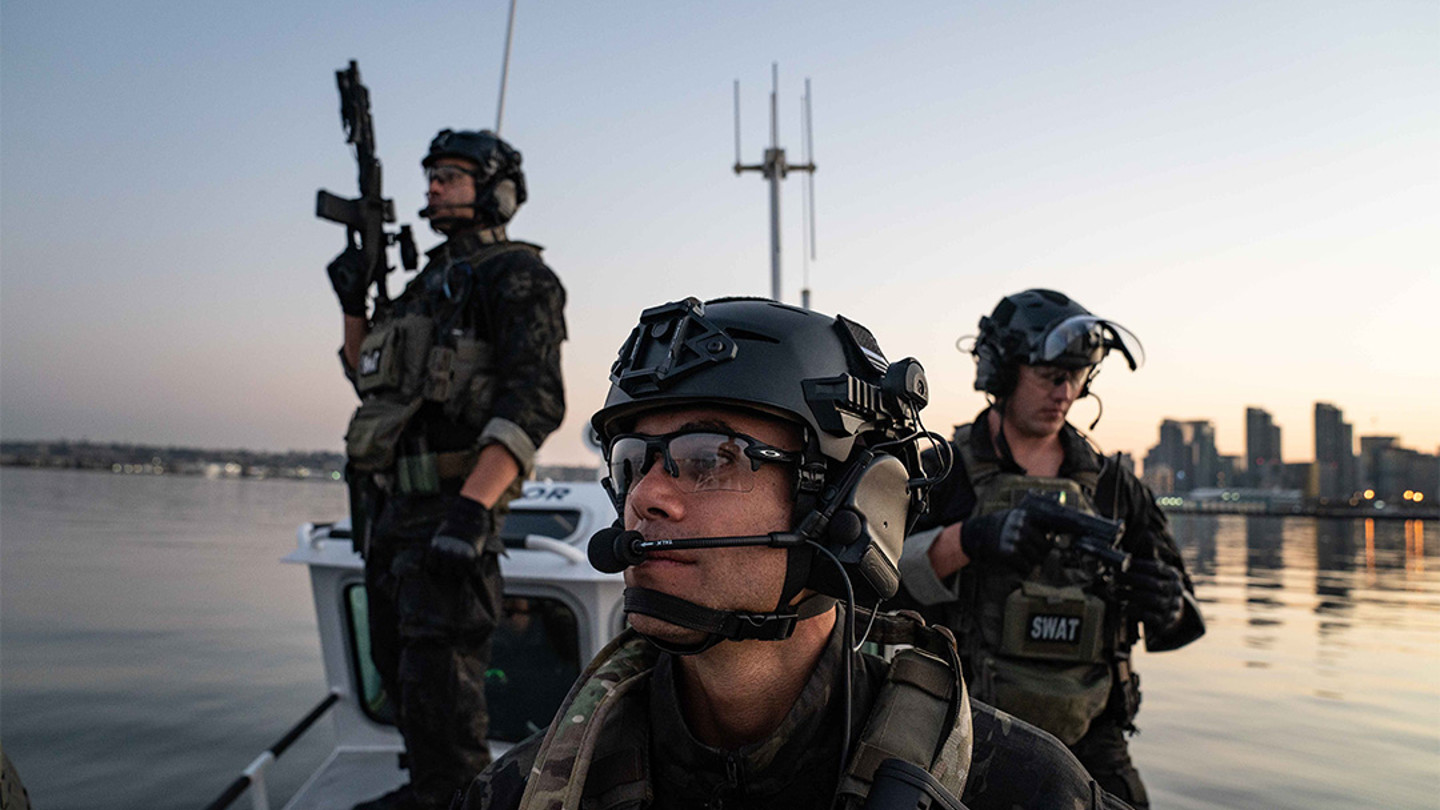
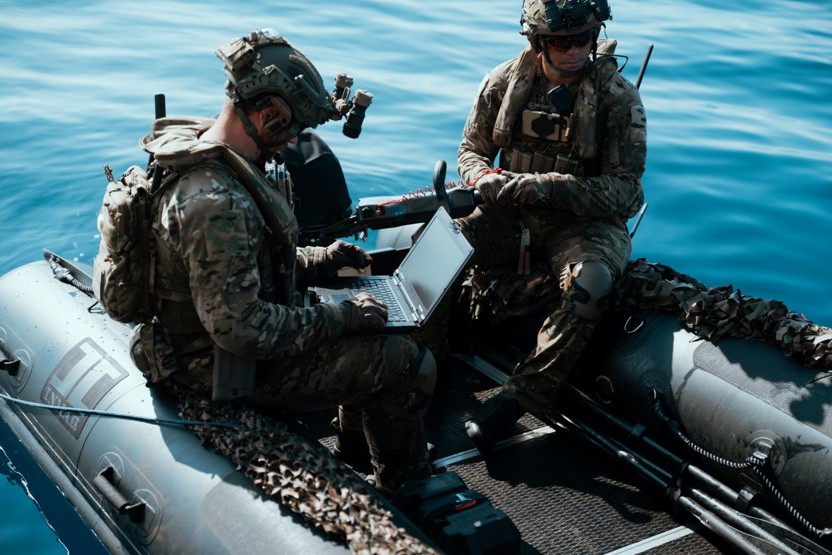
Men in helmets and uniform
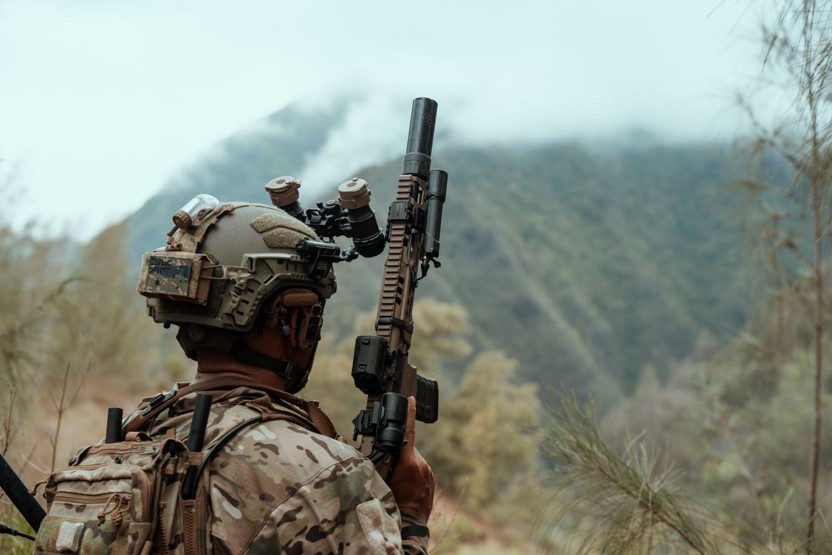
  • Helmet Cut for Gear Integration : Choose a cut that accommodates the gear you’ll actually use. If you’re law enforcement or military who will use over-ear comms headsets (e.g., Peltors) or double hearing protection (earplugs + muffs during gunfire), a high-cut is practically mandatory – it’s the only way those will fit comfortably. High-cut ballistic helmets also help if you need to shoulder a weapon and get a proper cheek weld without the helmet bumping your rifle stock, a common issue with full-cuts. Conversely, if you will not use such gear and maximum coverage is more important (riot police, for example), a full-cut might serve you better. Many users go for the compromise mid-cut when in doubt, which works decently for most attachments. In short, think about your other equipment – headsets, NVGs, eye pro, gas masks – and ensure your helmet cut won’t conflict. For SWAT teams and special operations, this usually pushes toward high-cut helmets, since tactical teams use a lot of head-mounted kit. 
  • Fit and Retention System: A comfortable, well-fitted helmet is not just about comfort – it’s about safety and performance. A helmet that wobbles or slides can obstruct your vision or distract you at the wrong moment. Look for helmets with an adjustable suspension/retention system (most quality helmets have either a dial-adjust system like Team Wendy’s BOA® dial CAM-FIT™ or a similar tightening mechanism). This allows you to quickly tighten the helmet to your head for a secure fit. Check that the helmet comes in a range of sizes and includes padding adjustments. Many helmets use pad systems that you can reconfigure to fit your head shape. For example, Team Wendy’s Zorbium® foam pads come in various thicknesses and the helmet includes a set – you can arrange them so the helmet sits snugly and comfortably on you. Comfort features like removable sweat-wicking liners, good ventilation (some helmets have passive air vents or breathable pads), and even weight distribution can sound like luxuries, but on a long mission they reduce fatigue and heat stress. A helmet that’s lighter by 100 grams or that breathes better can keep an operator effective for an extra hour or two, which is mission-critical in the field. Always try on and adjust a helmet with your entire kit on – including eye protection and comms – to ensure nothing rubs painfully and you can achieve a stable fit. 
  • Special Features: Consider if you need any other special features. For example, some high-end helmets now come with ballistic mandibles or visors  – if you anticipate needing face protection (e.g., breaching with explosive charges or in riot scenarios), ensure your helmet model supports those add-ons. Another feature: removable covers or camouflage – many helmets have optional fabric covers to change camo patterns or protect the shell. Not a must, but nice to have if you operate in varied environments. Counterweights for NVGs (to balance heavy goggles) – check if the helmet has provisions (often Velcro on the back) to attach a counterweight pouch if you’ll run night vision a lot.
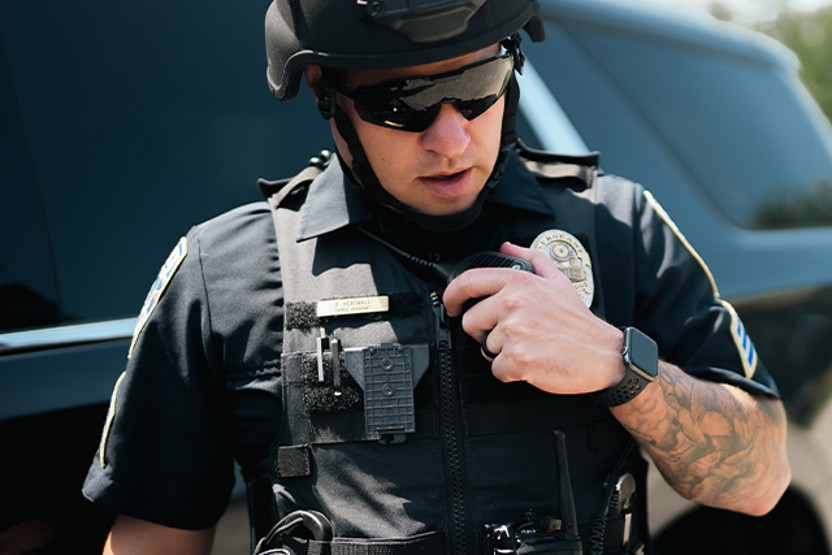
Police officer wearing a Team Wendy EPIC Protector Plus helmet outfitted with a face shield

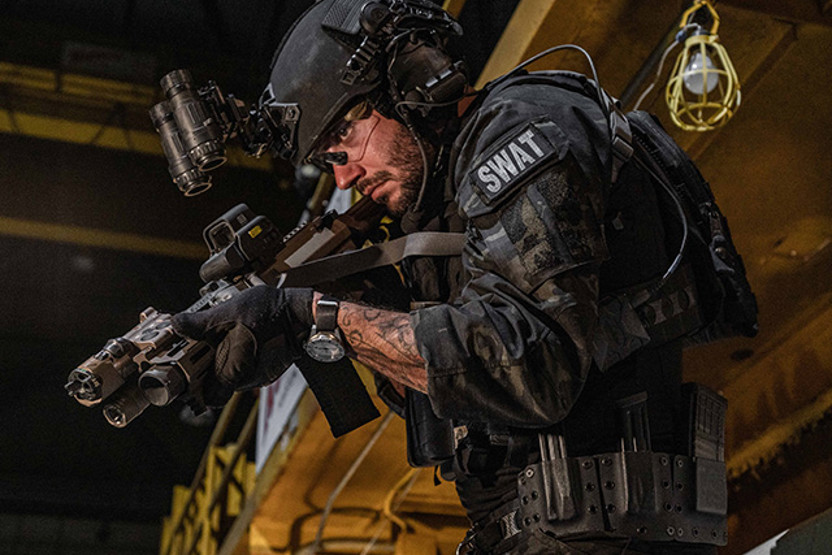
Every team should weigh these decisions against their specific mission profile, threat intelligence, and how the helmet will actually be used during operations. For example, many metropolitan SWAT teams assess that the overwhelming majority of their missions involve handgun threats, forced entry, and coordination-heavy movement rather than sustained rifle engagements. In those cases, teams often prioritize a high-cut handgun-threat helmet because it allows seamless integration of communications headsets, hearing protection, and night vision, all of which are critical for command and control during dynamic entries. This is why high-cut IIIA helmets are commonly issued for urban tactical teams.

By contrast, units that operate with a higher likelihood of deliberate rifle engagement—such as federal hostage rescue or select special operations elements—may field a limited number of rifle-rated helmets for specific roles. These helmets are typically allocated to operators whose positions expose them to higher rifle risk, such as snipers, shield operators, or breachers operating in fixed or overwatch positions, where added weight is acceptable in exchange for increased ballistic protection.

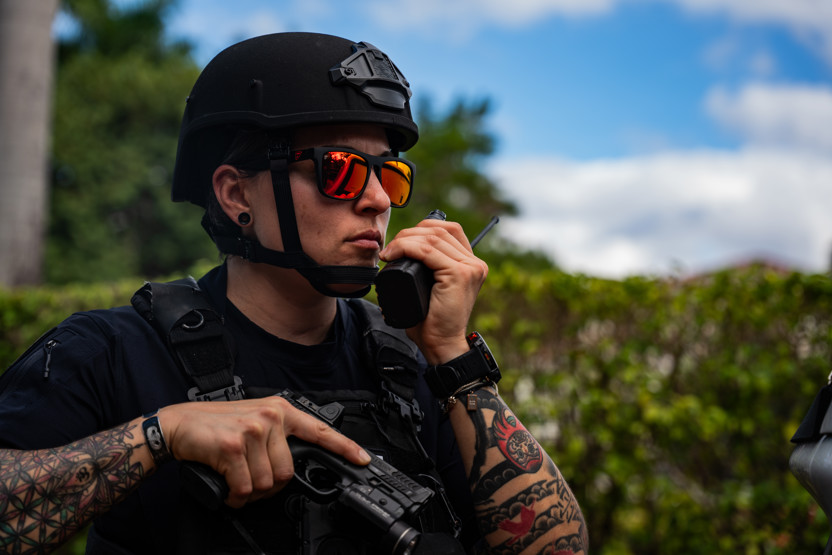
Patrol officers serving high-risk warrants often have different priorities altogether. These operations may emphasize blunt impact protection, stability during movement, and compatibility with face shields or less-lethal equipment rather than communications headsets. In those scenarios, a mid-cut or full-cut helmet with enhanced impact protection can be the right choice, as it offers additional coverage and integration with protective accessories without unnecessary complexity.

In a military context, conventional infantry forces are well served by program-of-record systems like IHPS, which are designed for standardized issue, scalability, and broad compatibility across large formations. By contrast, special operations forces often prioritize modular, lightweight helmet systems such as EXFIL® or SL-style platforms, where reduced weight, mobility, and seamless integration with communications, night vision, and mission-specific accessories are critical to small-unit, task-organized operations.

A group of 3 soldiers walking through the jungle wearing Team Wendy RIFLETECH rifle-rated ballistic helmets

One insightful quote from a law enforcement officer in our research was: “If it’s a SWAT call, I can’t do my job without [my helmet].”. The helmet is considered essential equipment for tactical teams – as important as the primary weapon – because it preserves the operator’s ability to function under fire. Hence, reliability and trust in the helmet is key. You want a proven model that has been tested and, preferably, fielded by others in your line of work. Many agencies look at what elite units use (for example, seeing many military special forces adopt a certain helmet often gives confidence that it performs well). Word of mouth is strong in these communities – it’s wise to choose a manufacturer with a solid reputation for ballistic performance and quality control.
Selecting the right ballistic helmet is about aligning protection, performance, and integration with how you actually operate. A helmet is not just a piece of armor—it’s a platform that supports communication, mobility, situational awareness, and endurance under stress. By carefully weighing threat level, weight, cut style, fit, and special features against your mission profile, you ensure the helmet enhances your effectiveness rather than limiting it. The right choice is one you can trust completely—because when conditions deteriorate and decisions matter most, your helmet should be the last thing you have to think about.

Ballistic helmet guide

The essentials for choosing your next helmet.