Ballistic helmet guide
The essentials for choosing your next helmet.




Ballistic helmets
•
Mar 2, 2026
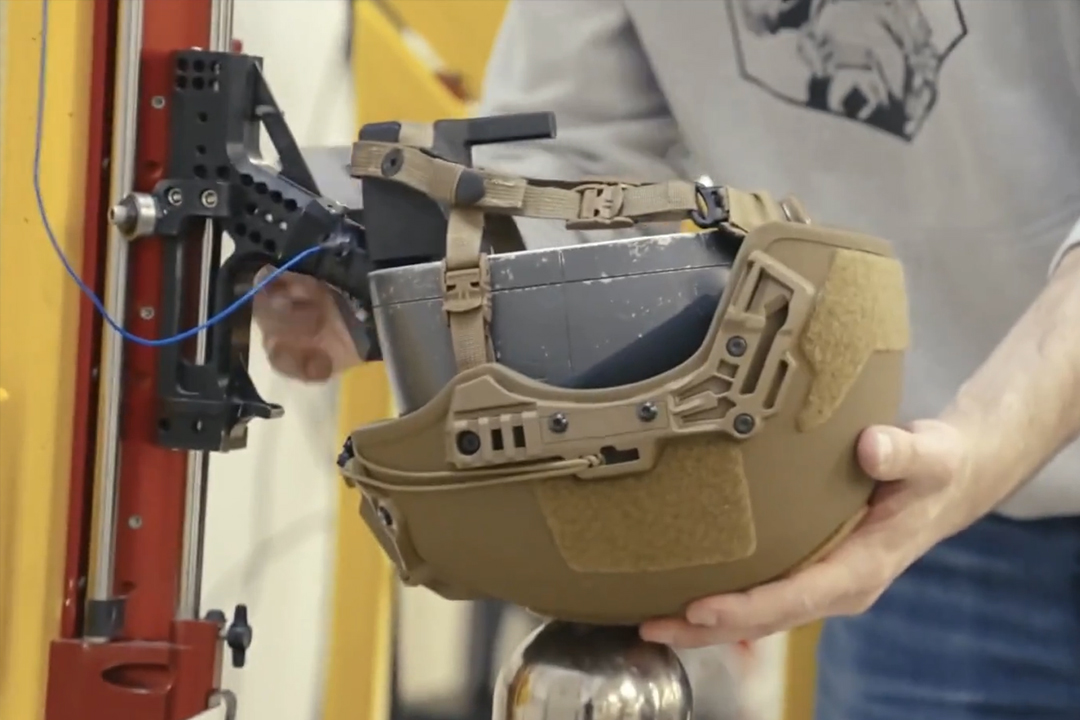
When evaluating ballistic helmets, understanding the materials used in their construction is essential. Two of the most common materials in modern helmet design are aramid fibers (such as Kevlar®) and ultra-high-molecular-weight polyethylene (UHMWPE). Each offers distinct advantages in terms of protection, weight, and performance.
Aramid Fibers (e.g., Kevlar®)
Aramid fibers have been a staple in ballistic protection for decades. Known for their high tensile strength and heat resistance, aramids are woven into fabric layers that absorb and disperse the energy from ballistic impacts. Helmets made with aramid are durable and provide excellent protection against handgun rounds and fragmentation.
However, aramid-based helmets tend to be heavier than their UHMWPE counterparts. They may also absorb moisture over time, which can affect long-term performance if not properly maintained. Despite these trade-offs, aramid remains a trusted and widely used material in military and law enforcement helmets.
UHMWPE (Ultra-High-Molecular-Weight Polyethylene)
UHMWPE is a newer material in ballistic helmet construction, offering a high strength-to-weight ratio and excellent energy absorption. Helmets made with UHMWPE are typically lighter than those made with aramid, making them ideal for extended wear and high-mobility operations.
One of the key advantages of UHMWPE is its ability to stop higher-velocity threats with less material, which is why it’s often used in rifle-rated helmets like the Team Wendy RIFLETECH™. This helmet leverages UHMWPE in a seamless shell design to achieve NIJ Level III protection while maintaining a total system weight of just 3.2–3.4 lbs—making it one of the lightest rifle-rated helmets available.

Additionally, UHMWPE is hydrophobic, meaning it resists moisture absorption and maintains consistent performance in wet or humid environments. It also offers excellent resistance to UV degradation and chemicals, contributing to a longer service life.
Ballistic helmets
•
Mar 16, 2026

Ballistic helmets
•
Mar 9, 2026

Ballistic helmets
•
Mar 5, 2026

Ballistic helmets
•
Feb 23, 2026

Ballistic helmets
•
Feb 16, 2026
Ballistic helmets
•
Feb 9, 2026

Ballistic helmets
•
Feb 6, 2026