
Blog
Why Blast‑Related Traumatic Brain Injury Is So Hard to Understand
Traumatic Brain Injury • Products & Technology • Research & Development
•
Mar 18, 2026
When most people think about traumatic brain injury (TBI), they picture a visible impact: a fall, a collision, or a blunt strike to the head. Blast‑related TBI challenges that intuition. In many cases, there is no direct head impact at all—yet measurable neurological effects still occur. Despite years of study and growing awareness, blast‑related TBI remains one of the least understood injury mechanisms affecting military and law enforcement personnel. The reasons are not simple. Blast injury sits at the intersection of physics, biology, and operational reality, and each of those domains introduces its own uncertainties.
A Unique Physical Phenomenon
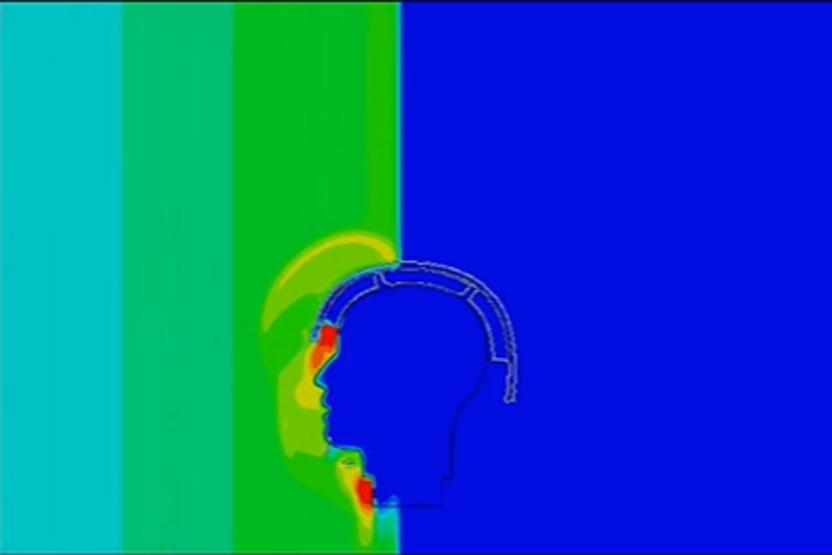
At its core, blast exposure is driven by a supersonic pressure wave. Unlike blunt impact—where force is applied at a single contact point—a blast wave rapidly envelops the entire body. That wave can reflect, refract, and amplify depending on the surrounding environment. Enclosed and semi‑enclosed spaces such as hallways, rooms, stairwells, and vehicles can significantly alter blast behavior. Reflected pressure waves can stack on top of one another, producing localized pressure spikes that are difficult to predict without advanced modeling. Two individuals standing only a few feet apart may experience very different pressure histories depending on geometry, orientation, and timing. This complexity makes blast fundamentally harder to characterize than most other injury mechanisms.
The Brain’s Response Is Not Fully Understood
Even when blast pressures can be measured or estimated, translating those external loads into biological outcomes is an ongoing challenge. Researchers continue to investigate how blast waves interact with the brain and surrounding tissues. Proposed mechanisms include rapid pressure transmission through soft tissue, shearing at interfaces within the brain, and microscopic cavitation effects—but no single explanation fully accounts for observed injuries.
Adding to the challenge, blast exposure often occurs repeatedly at lower levels rather than as a single catastrophic event. Over time, cumulative exposure may produce neurological effects even when no single exposure exceeds known thresholds. Determining where “safe” ends and “harmful” begins remains an active area of research.
Measurement Is Inherently Difficult
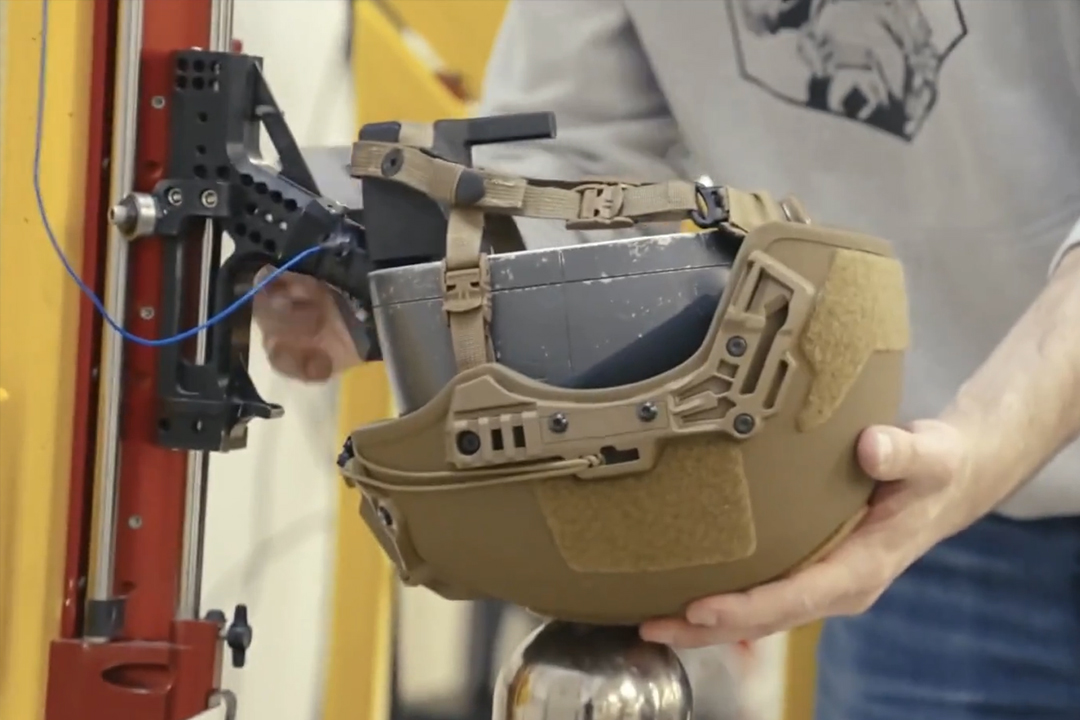
Unlike blunt impacts, which can be instrumented using well‑established test methods, blast exposure is harder to capture consistently. Sensors must operate over extremely short time scales, withstand harsh environments, and be positioned in ways that accurately reflect what the human body experiences. Field data is often incomplete or highly variable, and laboratory experiments—while controlled—can only approximate real‑world conditions. As a result, researchers must rely on a combination of experimental testing, field observations, and computational modeling to piece together a more complete picture.
Operational Reality Complicates Everything
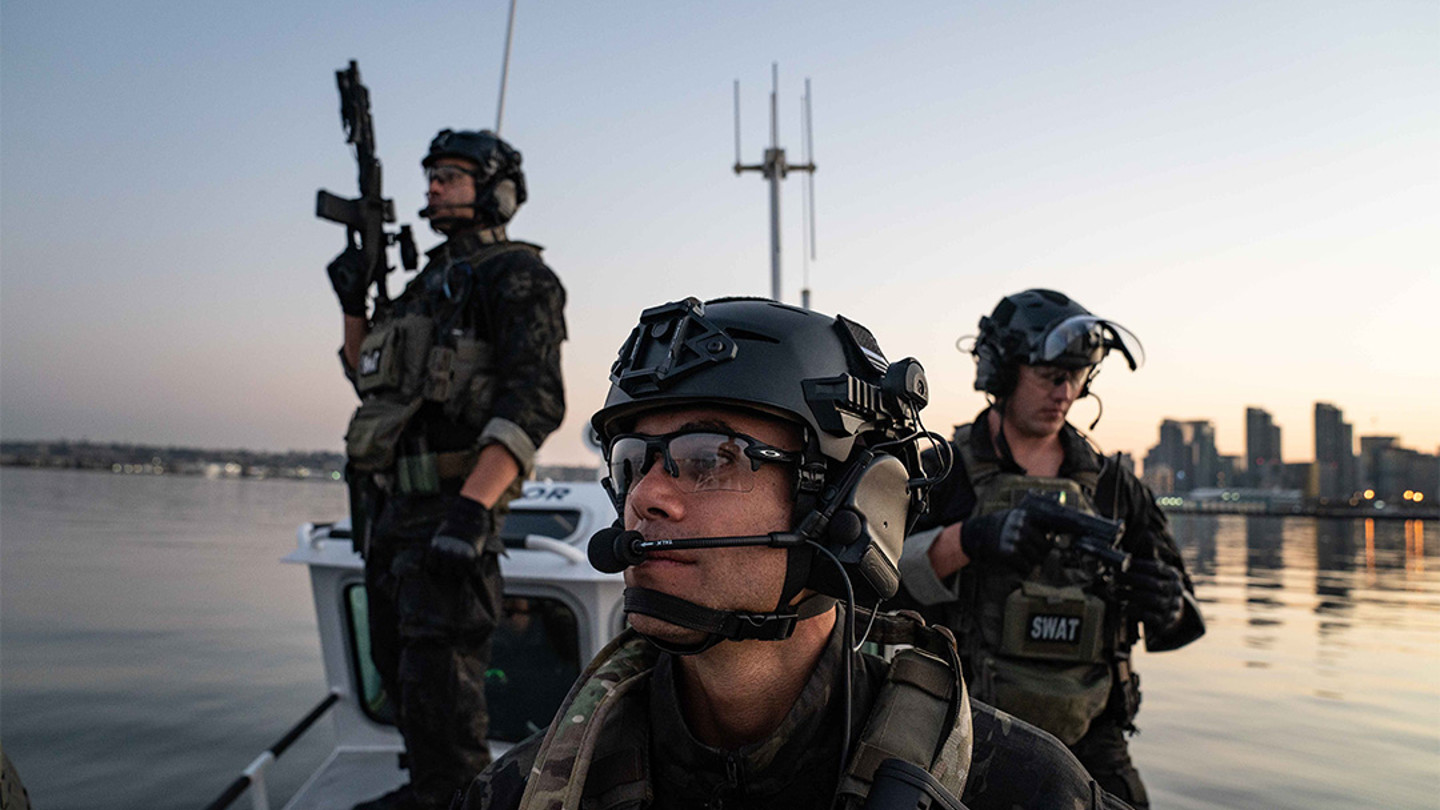
From an operational standpoint, blast exposure is rarely isolated. A breacher may be exposed to blast while wearing protective equipment, carrying gear, moving dynamically, and operating in confined spaces—all while making rapid decisions under stress. Any meaningful effort to reduce blast‑related TBI must account for this reality. Solutions that work only in idealized conditions are unlikely to translate to real‑world use. This is why predictive tools, realistic modeling, and validated experimental data are so critical: they help bridge the gap between controlled research and operational decision‑making.
Why a Combined Modeling and Experimental Approach Matters
Because no single method can fully explain blast‑related TBI, progress depends on integrating multiple approaches:
- Computational modeling to explore how blast waves propagate through environments and interact with the human body
- Physical experimentation to validate models and study biological response under controlled conditions
- Collaborative research that brings together engineers, clinicians, and operators

By iterating between simulation and experiment, researchers can refine predictions, test hypotheses, and gradually reduce uncertainty—step by step.
Moving Forward
The difficulty of understanding blast‑related TBI is not a reason to avoid the problem; it is precisely why sustained, rigorous research is required. As awareness grows around the long‑term effects of blast exposure, so does the responsibility to develop better tools, better data, and better protective strategies.
While many questions remain unanswered, progress is being made. Through continued collaboration and a commitment to combining physics‑based modeling with experimental insight, the path toward reducing blast‑related brain injury is becoming clearer.
Related
-
Research & Development
•
Mar 6, 2026
Understanding Blast to Better Protect the Brain
-
Products & Technology
•
Mar 3, 2026
Maintaining Maximum Protection: Why Combat Helmet Liners & Retention Systems Must Be Replaced
-
Products & Technology • Research & Development
•
Jan 20, 2026
Understanding Rifle-Rated Helmets: Real-World Protection vs. Lab Standards
-
Research & Development
•
Oct 30, 2025
Team Wendy Unveils Groundbreaking Helmet Safety Findings at PASS Symposium
-
Research & Development
•
Oct 23, 2025
Protecting Firefighters from TBI in Search and Rescue
-
Products & Technology • Research & Development
•
Aug 18, 2025
Twelve Meters and the Truth: What We Saw at the RIFLETECH™ Shoot
-
Products & Technology • Research & Development
•
Aug 11, 2025
Why We Use the NOCSAE Head Form
-
Search & Rescue • Products & Technology
•
Aug 11, 2025
Choosing the right helmet for search & rescue
-
Research & Development
•
Jul 9, 2025
Evolving Standards in Ballistic Helmet Evaluation
-
Products & Technology
•
Jun 11, 2025
Tips for Maintaining Your Team Wendy SAR Helmet
-
Research & Development
•
Mar 17, 2025
Monitoring Head Impacts With a Smart Headband
-
Products & Technology
•
Dec 17, 2024
Team Wendy Epic Specialist Helmet