Ballistic helmet guide
The essentials for choosing your next helmet.


Ballistic helmets
•
Feb 23, 2026
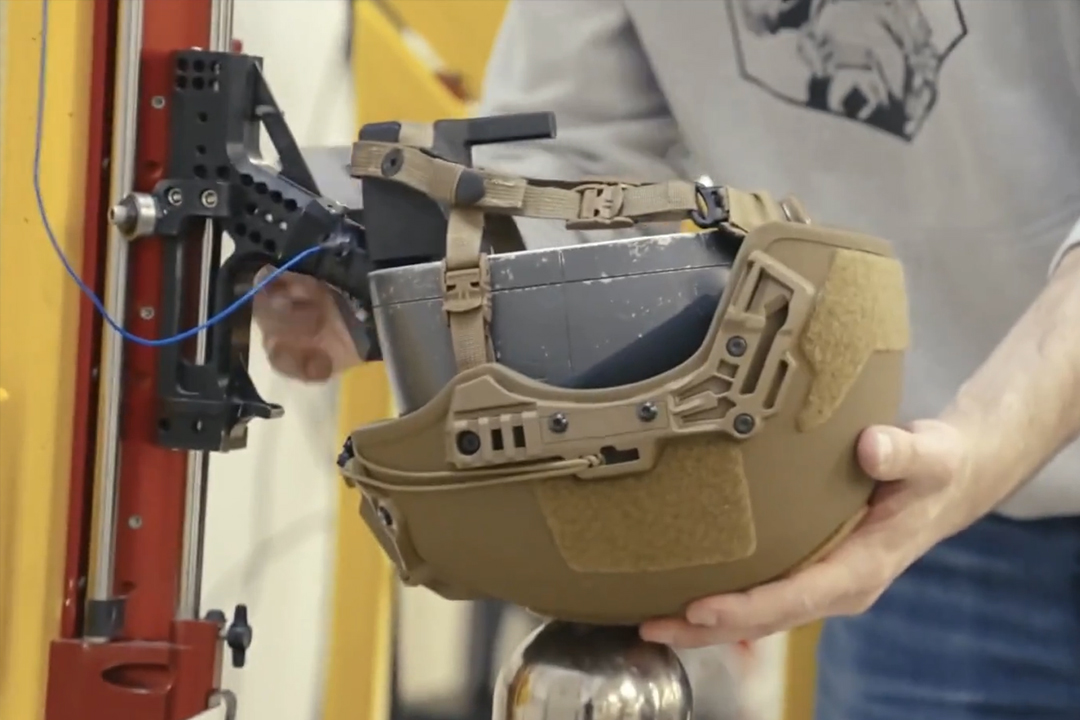
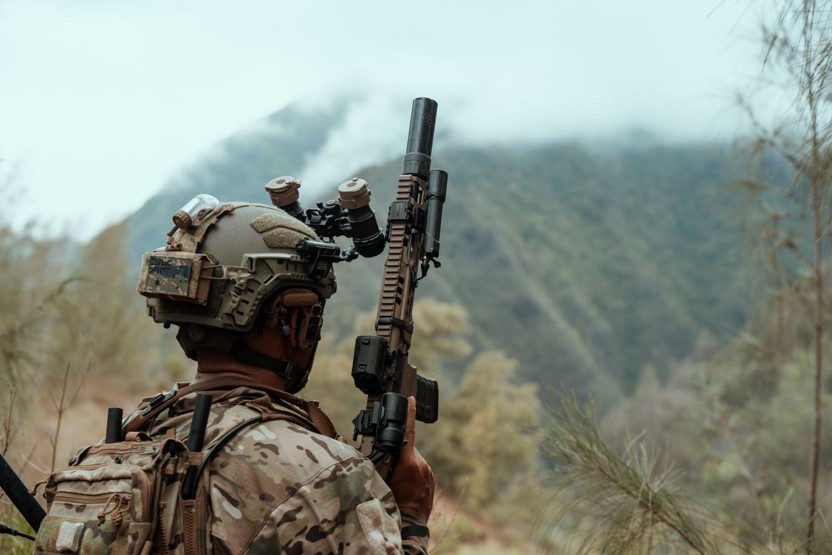
In addition to ballistic protection ratings, another critical performance metric to consider when evaluating ballistic helmets is the V50 value. V50 represents the velocity at which a projectile has a 50% chance of penetrating the helmet shell, signifying the breaking point of armor. This measurement is especially important for understanding a helmet’s resistance to fragmentation threats—such as shrapnel from explosives or secondary projectiles in combat environments.
A higher V50 indicates better performance against these high-speed fragments. For example, many NIJ Level IIIA helmets, including Team Wendy’s EPIC™ line, report V50 values exceeding 2,400 feet per second (731 m/s) when tested with 17-grain fragment-simulating projectiles. These values are typically measured using standardized protocols like STANAG 2920 (NATO) or MIL-STD-662F (U.S.).
For users operating in high-threat environments, rifle-rated helmets like the Team Wendy RIFLETECH™ offer even greater protection. The RIFLETECH is tested to a V50 of over 4,430 feet per second (1,350 m/s) and is validated to stop rifle rounds—including 7.62×39 MSC, 7.62×51 NATO, and 5.56 M193—at muzzle velocity. This level of performance ensures that the helmet maintains its ballistic integrity in real world conditions, making it a top choice for special operations and tactical teams facing rifle threats.

When selecting a helmet, reviewing the V50 rating provides a more complete picture of its protective capabilities. While NIJ ratings focus on specific ballistic threats, V50 helps assess how well a helmet performs against fragmentation and high-velocity impacts and highlights the maximum lifesaving potential of a helmet—an essential consideration for comprehensive head protection.
Ballistic helmets
•
Mar 16, 2026
Ballistic helmets
•
Mar 9, 2026

Ballistic helmets
•
Mar 5, 2026
Ballistic helmets
•
Mar 2, 2026
Ballistic helmets
•
Feb 16, 2026
Ballistic helmets
•
Feb 9, 2026
Ballistic helmets
•
Feb 6, 2026